Welcome to Arabic Goals, where your journey to fluency begins with understanding not just the language, but the soul of the region. Learning Arabic in Morocco is a transformative experience that offers far more than vocabulary lists and grammar drills. It is an immersion into a rich tapestry of history, culture, and linguistic diversity that defines the Maghreb region. Whether you are a complete beginner dreaming of navigating the bustling souks of Marrakech or an advanced student aiming to refine your dialectical nuances, Morocco stands as one of the world’s premier destinations for language acquisition. This comprehensive guide will walk you through every essential aspect of mastering Moroccan Arabic, ensuring you return home with not just knowledge, but true communicative competence.
Understanding the Moroccan Linguistic Landscape
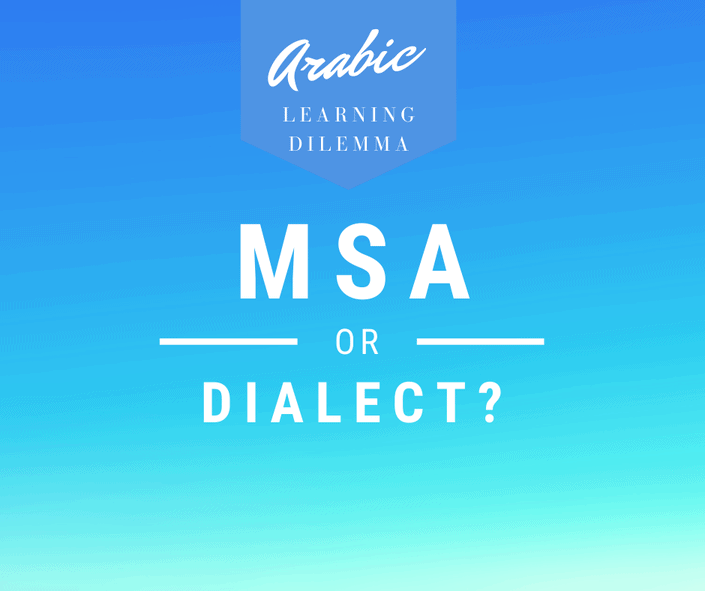
Before booking your flight, it is crucial to grasp the complex linguistic reality of Morocco. Unlike some countries where one language dominates every aspect of life, Morocco operates within a state of diglossia, meaning multiple varieties of language are used in different social contexts. The primary spoken language is Moroccan Arabic, known locally as Darija. It is vital to understand that Darija is a distinct dialect with its own unique grammar, phonology, and vocabulary, differing significantly from Modern Standard Arabic (MSA), or Fusha. While MSA is used in formal writing, news broadcasts, and religious contexts across the Arab world, Darija is the language of the street, the home, and the marketplace.
Darija vs. Modern Standard Arabic
Many students arrive expecting to speak MSA and are surprised to find that locals respond in Darija. While MSA is understood by most educated Moroccans, it is not used for daily conversation. Darija simplifies many grammatical structures found in MSA. For instance, verb conjugations are often streamlined, and the dual form is rarely used. Phonetically, the classical Arabic letter Qaf (ق) is often pronounced as a G in Darija. Understanding these differences early will prevent confusion and help you set realistic goals. If your goal is to communicate with locals, prioritize Darija. If your goal is academic research or religious study, focus on MSA. Most successful learners in Morocco strike a balance, learning MSA for literacy and Darija for social interaction.
The Amazigh and Colonial Influence
Moroccan Arabic is a linguistic melting pot. It contains significant loanwords from Amazigh (Berber), the indigenous language of North Africa, as well as French and Spanish due to the colonial history. You will hear words like tomobil (car) from French or kurrasa (notebook) from Spanish. Recognizing these influences is not a hurdle but a bridge; if you speak French or Spanish, you already know a portion of the vocabulary. However, do not rely on them entirely. Embracing the Arabic roots while acknowledging these influences will give you a deeper appreciation of Morocco’s history and help you decode conversations faster.
Choosing the Right City for Your Studies
Morocco is a country of diverse cities, each offering a different vibe and learning environment. Your choice of location can significantly impact your learning speed and cultural experience. There is no single “best” city, but there is a best city for your specific goals and personality.
Fes: The Spiritual and Academic Hub
Fes is often considered the cultural and spiritual heart of Morocco. It is home to Al Quaraouiyine, the oldest existing, continually operating educational institution in the world. For students seeking a traditional, immersive experience away from heavy tourist traffic, Fes is ideal. The dialect here is considered by many to be some of the purest forms of Darija. The medina is a labyrinth that forces you to interact with locals for directions, food, and services, creating constant opportunities for practice. However, be prepared for a slower pace of life and a very conservative social environment.
Marrakech: The Tourist and Trade Center
Marrakech is vibrant, energetic, and accustomed to foreigners. This can be a double-edged sword. On one hand, people are used to speaking slowly to tourists, and there are countless language schools. On the other hand, because so many locals speak English or French, you might find yourself slipping into those languages too easily. To succeed in Marrakech, you must be disciplined about speaking only Arabic. The benefit here is the sheer volume of social interaction available in the squares and cafes, making it excellent for building confidence in speaking.
Rabat: The Capital of Formal Arabic
As the political capital, Rabat offers a more cosmopolitan and organized environment. It is often the best choice for students who want to focus on Modern Standard Arabic or who need a quieter environment to study. The dialect in Rabat is slightly influenced by the rural areas surrounding it, but it is generally clear and accessible. Universities and official language centers are plentiful here, providing structured learning paths that are harder to find in smaller towns.
Structured Learning vs. Natural Immersion
Once you arrive, you must decide how to structure your learning. Relying solely on one method is rarely enough. A hybrid approach yields the best results.
Enrolling in Language Institutes
Formal language centers provide structure, curriculum, and certified teachers. They are excellent for understanding grammar rules, learning the Arabic script, and getting systematic feedback. Look for schools that offer small class sizes and cultural activities. A good institute will not just teach you verbs; they will take you to the hammam, teach you how to cook tagine, and explain social etiquette. This contextual learning is invaluable. Ensure the school specializes in the type of Arabic you want to learn, as some focus exclusively on MSA while others specialize in Darija.
Hiring Private Tutors
Private tutors offer flexibility and personalized attention. They can tailor lessons to your specific interests, whether that is business Arabic, medical Arabic, or casual conversation. Hiring a tutor is also a great way to support the local economy and build a one-on-one relationship. You can find tutors through language schools, university boards, or reputable online platforms. When interviewing a tutor, ask about their experience teaching foreigners and their ability to explain grammar concepts in a way you understand. A native speaker does not automatically make a good teacher; pedagogical skill is key.
Navigating Cultural Nuances and Social Etiquette
Language is culture. You cannot separate the words from the people who speak them. In Morocco, social etiquette is deeply intertwined with communication. Understanding these norms will make you a more effective communicator and a more respected guest.
The Culture of Hospitality and Tea
Moroccan hospitality is legendary. If you are invited for tea, it is a sign of friendship and trust. Refusing can be seen as rude. Accepting tea is not just about drinking; it is about sitting, talking, and building a relationship. These moments are gold mines for language learning. You will hear natural, unscripted conversation. Learn the ritual: the tea is poured from a height to create foam, and it is often served in small glasses. Accept at least three glasses, as the tradition says the first is as gentle as life, the second as strong as love, and the third as bitter as death. Participating in this ritual shows respect and opens doors to deeper conversations.
Non-Verbal Communication
Moroccans are expressive communicators. Hand gestures, tone of voice, and physical proximity play a huge role. People may stand closer than you are used to, and touching on the arm during conversation is common and signifies warmth. Learning to read these non-verbal cues is part of fluency. Additionally, religious expressions are woven into daily speech. Phrases like Insha’Allah (God willing) or Alhamdulillah (Praise be to God) are used frequently, even by secular speakers. Using these appropriately shows cultural sensitivity and helps you blend in.
Overcoming Common Learning Challenges
Every learner faces hurdles. Being aware of them beforehand prepares you to overcome them without losing motivation.
The French and Spanish Loanword Phenomenon
As mentioned earlier, Darija is full of loanwords. This can be confusing when you study MSA and find the Darija word is completely different. For example, the MSA word for milk is Haleeb, but in Darija, many use L’halib (from French lait). Do not fight this reality. Accept that Darija is a living, evolving language. Create a mental dictionary of these loanwords. For learners who do not speak French, this may require extra memorization, but it is a manageable challenge. Focus on the core Arabic vocabulary first, then layer in the loanwords as you encounter them in context.
Listening Comprehension Speed
Moroccans speak Darija very quickly, often blending words together. Initial listening exercises can feel overwhelming. The key is to not panic. Ask people to speak slowly using the phrase Shwiya shwiya (little by little). Listen to Moroccan music, watch local television series, and listen to radio broadcasts. Your ear will adjust over time. Shadowing techniques, where you repeat what you hear immediately after hearing it, can help train your mouth and ear to work together at the native speed.
Building a Sustainable Daily Practice Routine
Consistency is the secret to fluency. You cannot cram a language; you must live it. Create a routine that fits your lifestyle in Morocco. Start your day by reading a few lines of Arabic news or listening to a podcast. During the day, challenge yourself to complete specific tasks in Arabic, such as buying groceries or asking for directions. Keep a language journal where you write three sentences every night about your day. This reinforces vocabulary and grammar. Find a language exchange partner, someone who wants to learn your native language in exchange for helping you with Arabic. Meet for coffee once a week and dedicate half the time to each language. This mutual benefit creates a strong motivation to show up and practice.
Conclusion
Learning Arabic in Morocco is an incredible journey that rewards effort with profound cultural insight and linguistic skill. It requires patience, humility, and a willingness to step out of your comfort zone. You will make mistakes, and you will have moments of frustration, but you will also have moments of breakthrough where a conversation flows naturally and you feel a genuine connection with a local. Whether you choose the historic streets of Fes, the vibrant squares of Marrakech, or the organized avenues of Rabat, the experience will change you. With the right preparation, the right mindset, and the dedication to practice every day, you will not just learn Arabic; you will live it. So pack your bags, prepare your mind, and take the plunge. The Maghreb awaits, and your Arabic goals are within reach.