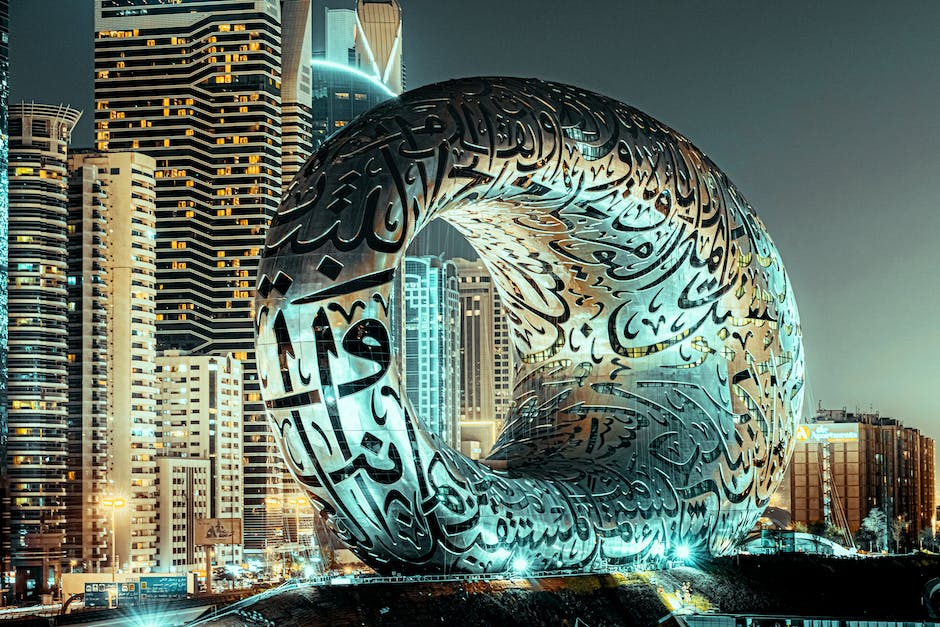
Dubai stands as a beacon of modernity in the heart of the Middle East, yet it remains deeply rooted in rich Arab traditions. For language learners, this city offers a unique paradox: a futuristic skyline built upon a foundation of heritage. Choosing to learn Arabic in Dubai is not merely about acquiring a new skill; it is about immersing yourself in a dynamic environment where the language lives and breathes in every transaction, conversation, and cultural exchange. Whether you are an expatriate looking to integrate, a professional aiming for career advancement, or a passionate linguist, Dubai provides the infrastructure and the inspiration to achieve your Arabic goals.
Why Dubai is a Premier Destination for Arabic Learners
The decision to study a language is often dictated by the environment in which you study. Dubai offers an unparalleled ecosystem for language acquisition. Unlike regions where English might dominate every aspect of daily life, Dubai maintains a strong Arabic presence in government, signage, media, and local social interactions. This creates a natural immersion environment that is difficult to replicate elsewhere.
A Melting Pot of Culture and Modernity
Dubai is home to over 200 nationalities, making it one of the most diverse cities on the planet. However, the local Emirati culture remains the heartbeat of the nation. Learning here allows you to navigate this diversity while respecting and understanding the host culture. You will find that learning Arabic opens doors to genuine friendships with locals who appreciate the effort foreigners make to speak their language. This cultural bridge is essential for true fluency, as language is inextricably linked to social norms and hospitality.
Safety and Stability for International Students
One of the practical concerns for any student moving abroad is safety. Dubai consistently ranks as one of the safest cities in the world. This stability allows you to focus entirely on your studies without unnecessary distractions. Furthermore, the city’s infrastructure is designed to support residents and visitors alike, with easy access to libraries, cultural centers, and educational hubs that facilitate learning.
Navigating the Linguistic Landscape: MSA vs. Emirati Dialect
Before enrolling in a course, it is crucial to understand the type of Arabic you wish to learn. The Arabic language is diglossic, meaning there is a significant difference between the written formal language and the spoken colloquial varieties.
Modern Standard Arabic (Fusha)
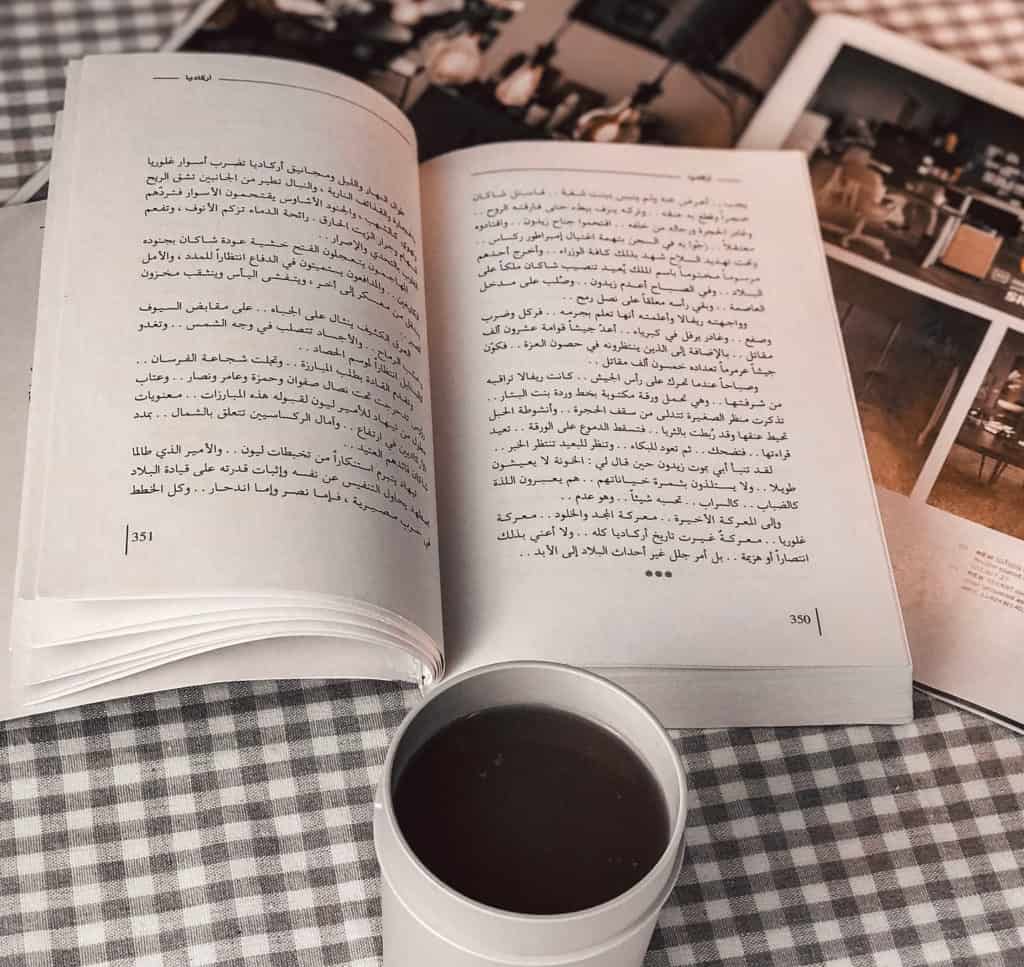
Modern Standard Arabic, or MSA, is the formal language used in news broadcasts, official documents, literature, and formal speeches across the Arab world. Most academic institutions in Dubai focus on MSA. If your goal is to read Arabic literature, work in diplomacy, or understand religious texts, MSA is the essential foundation. It provides the grammatical structure necessary to understand the language’s logic.
The Gulf Dialect (Khaleeji)
Conversely, the spoken language on the streets of Dubai is often a variant of the Gulf dialect, specifically the Emirati dialect. While MSA is understood by everyone, it is rarely used in casual conversation. Many private tutors and specialized conversation clubs focus on the dialect. For learners who prioritize social integration and daily communication, combining MSA studies with dialect practice is the most effective strategy. Understanding this distinction will save you confusion and help you tailor your learning path.
Top Pathways to Arabic Proficiency in Dubai
Dubai’s education sector is robust, offering multiple avenues for language acquisition. Choosing the right one depends on your schedule, budget, and learning style.
Accredited Language Institutes
There are numerous accredited language centers scattered across the city, from Dubai Marina to Deira. These institutes offer structured courses ranging from absolute beginner to advanced proficiency. The advantage of formal institutes is their curriculum, which is often aligned with international standards like the CEFR (Common European Framework of Reference for Languages). They provide certificates upon completion, which can be valuable for your CV. Look for centers that offer small class sizes to ensure you get adequate speaking time.
University Programs
Several universities in Dubai, such as the American University in Dubai and Zayed University, offer non-degree Arabic language programs. These are excellent for students who prefer an academic environment. University courses often delve deeper into the linguistics and history of the language, providing a comprehensive understanding that goes beyond simple conversation. They are ideal for those planning long-term study or research in the region.
Private Tutoring and Personalized Coaching
For those with busy schedules or specific learning goals, private tutoring is a flexible option. Dubai has a vast network of qualified native speakers who offer one-on-one sessions. The benefit here is customization; a tutor can focus entirely on your weak points, whether that is pronunciation, grammar, or business Arabic. However, vetting is important. Ensure your tutor has pedagogical experience, not just native fluency, to ensure they can explain complex grammatical concepts effectively.
Career Advancement Through Arabic Fluency
In a global business hub like Dubai, bilingualism is a significant competitive advantage. While English is the lingua franca of business, Arabic is the language of relationships and government.
Key Industries Valuing Arabic Speakers
Sectors such as government relations, real estate, hospitality, and legal services highly prioritize Arabic speakers. In real estate, for example, being able to negotiate with local landlords or clients in their native tongue builds trust instantly. In the legal and government sectors, knowledge of Arabic is often a mandatory requirement for processing documents and liaising with authorities. Fluency can transform you from an external contractor to an integrated partner.
Networking and Professional Growth
Language is the key to networking. Business in the Middle East is heavily relationship-based. Speaking Arabic allows you to engage in the small talk that precedes business deals, known as wasta or social capital. Attending local events, majlis gatherings, or business forums becomes infinitely more productive when you can converse comfortably. This cultural competence is often valued higher than technical skills alone.
Immersion Strategies Beyond the Classroom
Classroom learning provides the structure, but true fluency is achieved outside the four walls of the school. Dubai offers countless opportunities for practical application.
Engaging with the Local Community
Do not limit your interactions to other expatriates. Make a conscious effort to speak Arabic with taxi drivers, shopkeepers in the souks, and service staff. Most locals are encouraging and will appreciate your attempt to speak their language. Start with simple greetings like «As-salamu alaykum» (Peace be upon you) and progress to asking about their day. These micro-interactions build confidence and improve listening comprehension.
Cultural Landmarks as Learning Labs
Visit places like the Al Fahidi Historical Neighbourhood, the Dubai Museum, and the Grand Mosque. These locations often have signage and guides in Arabic. Use them as practice grounds. Read the plaques, listen to the audio guides, and try to narrate your experience in Arabic. Additionally, participating in cultural festivals such as Ramadan tents or the Dubai Shopping Festival provides context to the vocabulary you are learning, linking words to real-life experiences.
Practical Tips for Success
Learning a language is a marathon, not a sprint. To sustain your momentum in a bustling city like Dubai, you need a strategic approach.
Setting Realistic Milestones
Avoid vague goals like «I want to be fluent.» Instead, set specific targets such as «I want to hold a five-minute conversation with a neighbor» or «I want to read a news headline without translation.» Breaking down the journey into manageable chunks prevents overwhelm and provides a sense of achievement.
Consistency Over Intensity
Studying for thirty minutes every day is far more effective than studying for five hours once a week. Language acquisition relies on repetition and neural pathway building. Incorporate Arabic into your daily routine in Dubai. Change your phone’s language settings, listen to Arabic podcasts during your commute on the Metro, or label items in your house with their Arabic names.
Embracing Mistakes as Learning Tools
Fear of making mistakes is the biggest barrier to fluency. In Dubai’s supportive environment, mistakes are viewed as part of the learning process. Do not be discouraged if you mix up verb conjugations or pronunciation. Every error is a correction in progress. Laugh off misunderstandings and ask for clarification. This humility often leads to deeper connections with native speakers who are willing to help you improve.
Conclusion
Learning Arabic in Dubai is an investment in your personal and professional future. The city offers a safe, vibrant, and resource-rich environment that caters to all types of learners. By understanding the linguistic landscape, choosing the right educational pathway, and actively immersing yourself in the culture, you can unlock the beauty of the Arabic language. Remember, the goal is not perfection but communication. With dedication and the right mindset, Dubai can be the place where you transform from a student into a confident Arabic speaker, ready to embrace the opportunities of the region.