
Introduction to Learning Arabic in Egypt
Welcome to Arabic Goals, where your journey to fluency begins with passion and precision. Egypt is not merely a destination for tourists marveling at ancient pyramids; it is the cultural heartbeat of the Arab world. For centuries, Cairo has been a center of art, literature, and education, making it the premier location for language immersion. Whether you are an absolute beginner taking your first steps or an advanced learner seeking to refine your dialect, learning Arabic in Egypt offers unparalleled opportunities. This guide will walk you through everything you need to know to transform your linguistic goals into reality.
Why Choose Egypt for Arabic Immersion?
Choosing where to study Arabic is a significant decision. Egypt stands out for several compelling reasons that go beyond mere geography. First, the Egyptian dialect, known as Masri, is the most widely understood dialect across the Arab world due to Egypt’s prolific film and music industry. When you learn in Egypt, you are learning a dialect that opens doors from Morocco to Oman.
Furthermore, the cost of living in Egypt is significantly lower than in many Western countries or Gulf states. This affordability allows students to extend their stay, engage in more private tutoring, and live comfortably while focusing on their studies. The hospitality of the Egyptian people is legendary. Locals are generally eager to help foreigners, providing endless opportunities for real-world conversation practice. From the bustling markets of Khan el-Khalili to the quiet cafes of Zamalek, every corner of Egypt is a classroom.
Understanding the Linguistic Landscape
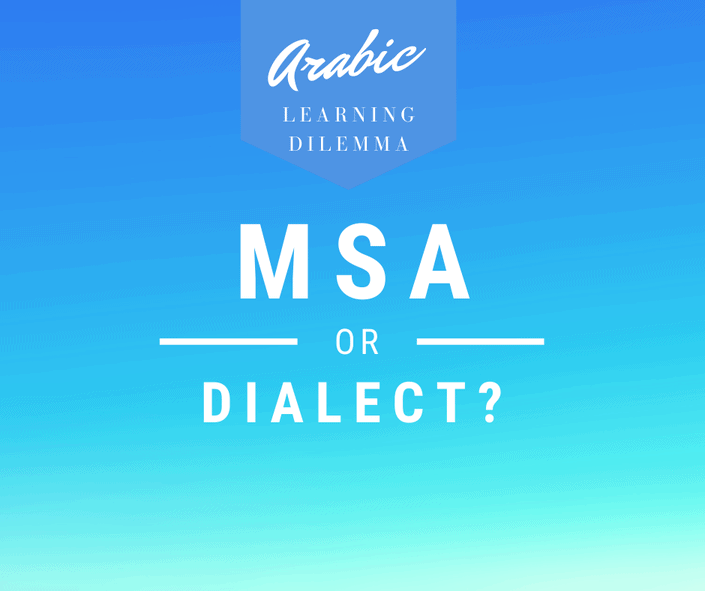
One of the most critical aspects of learning Arabic is understanding the concept of diglossia. Many beginners are confused by the different forms of the language. It is vital to correct a common misconception: Classical Arabic is not used for everyday conversation. To succeed, you must distinguish between the formal written language and the spoken dialect.
Modern Standard Arabic (MSA)
Modern Standard Arabic, or Al-Fusha (الفصحى), is the standardized literary form used across all Arab nations. It is the language of news broadcasts, official documents, literature, and formal speeches. If your goal is to work in diplomacy, journalism, or religious studies, MSA is essential. However, you will rarely hear people speaking MSA on the street in Cairo. It is a language of prestige and writing, not casual interaction.
Egyptian Colloquial Arabic
For daily life in Egypt, you need Ammiya (العامية), specifically the Egyptian dialect. This is the language of the home, the street, and social interaction. It is simpler in grammar than MSA but rich in vocabulary and expression. At Arabic Goals, we recommend a balanced approach. Studying MSA gives you literacy and formal competence, while studying Egyptian Colloquial ensures you can make friends, negotiate prices, and navigate daily life. Ignoring the dialect will leave you unable to connect with the very people you are there to learn from.
Finding the Right Language Program
When looking for a program to learn Arabic in Egypt, alignment with your personal goals is key. There is no one-size-fits-all solution. You must consider your current proficiency, your budget, and your preferred learning style. Many reputable institutions offer structured courses that cater to international students.
University Programs
The American University in Cairo (AUC) is perhaps the most renowned institution for Arabic studies in the region. Their Arabic Language Institute offers intensive courses that are academically rigorous. Similarly, Cairo University has a center for foreigners that provides deep immersion into the language. These programs are excellent for students seeking accredited certificates and a structured academic environment. They often include cultural excursions and access to university libraries.
Private Language Centers
For those who prefer flexibility, private language centers in neighborhoods like Dokki and Mohandiseen offer intensive courses. These centers often focus more on communication skills and may offer smaller class sizes. They are ideal for students who want to prioritize speaking and listening over written exams. Many of these centers also offer combination packages that include MSA and Egyptian Colloquial classes.
Private Tutoring
Nothing beats one-on-one attention. Hiring a private tutor allows you to customize your curriculum entirely. You can focus on specific vocabulary related to your profession or hobbies. Tutors can also meet you at cafes, turning a lesson into a practical immersion experience. This option is highly recommended for intermediate learners who need to break through plateaus in their speaking ability.
Living arrangements and Cultural Immersion
Your housing choice significantly impacts your learning speed. Living in an expat bubble can hinder progress. To truly learn Arabic in Egypt, you must immerse yourself in the local environment.
Homestays
Living with an Egyptian family is the gold standard for immersion. It forces you to speak Arabic during meals and social times. You learn cultural nuances, etiquette, and slang that textbooks never teach. While it requires adaptability, the linguistic回报 (return) is immense. You become part of a family, not just a tenant.
Independent Apartments
If you value independence, renting an apartment in a central neighborhood is a good option. Areas like Zamalek are popular with foreigners and offer a safe, walkable environment with many language schools nearby. Maadi is another option, known for being quieter and greener. However, be cautious not to isolate yourself. Make an effort to shop at local grocery stores rather than international chains to practice your numbers and bargaining skills.
Essential Learning Resources
While immersion is key, having the right study materials supports your progress. When learning Arabic in Egypt, it is important to have access to a variety of resources that complement your classroom learning.
Textbooks and Workbooks
Books provide a structured approach to grammar and vocabulary. The Kallimni Arabi series is highly recommended for Egyptian Colloquial Arabic. It is practical and focuses on real-life scenarios. For MSA, the Al-Kitaab series is a standard in many universities, though some find it dense. Supplement these with grammar reference books to clarify complex rules regarding verb conjugations and sentence structure.
Digital Tools and Apps
Websites and apps are excellent for reinforcement. Anki is powerful for vocabulary retention using spaced repetition. Apps like Pimsleur can help with pronunciation during your commute. However, do not rely solely on technology. Language is social. Use apps to prepare for conversations, not to replace them. There are many websites that provide interactive lessons, games, and quizzes to help you learn the language, but they should be secondary to human interaction.
Strategies for Daily Practice
Success in language learning comes from consistency. You must integrate Arabic into your daily routine in Egypt. Start your day by reading a headline in an Arabic newspaper. Listen to Egyptian radio while taking a taxi. Engage the taxi driver in conversation; they are often chatty and excellent sources of local slang.
Visit the Ahwa (traditional coffee shop). Order your tea, shai, and listen to the conversations around you. Do not be afraid to make mistakes. Egyptians appreciate the effort foreigners make to speak their language. Even broken Arabic is usually met with smiles and encouragement. Carry a small notebook to write down new words you hear during the day and look them up later. This active engagement turns passive listening into active learning.
Conclusion
Learning Arabic in Egypt can be a rewarding and enriching experience that changes your life. By studying the language in its cultural context, you gain a deeper understanding of the history, politics, and social fabric of the region. You will not just learn words; you will learn how to think and connect in a new way. When looking for a program, find one that meets your needs and interests. There are many books, websites, and apps that can help, but the real magic happens in human connection.
Learning Arabic in Egypt opens up many opportunities, both personal and professional. With the right program, housing, and mindset, you can gain a valuable skill and a significant advantage in the global job market. At Arabic Goals, we believe that with dedication and the right guidance, fluency is within your reach. Start your journey today, and let Egypt become the home of your new language.