Introduction to Your Arabic Learning Journey
Welcome to Arabic Goals, where your journey into one of the world’s most rich and historical languages begins. If you are reading this, you have likely decided to take the first step, often referred to as Step 01, in mastering Arabic. This decision is commendable. Arabic is spoken by over 400 million people worldwide and serves as a key to unlocking centuries of literature, science, and culture. However, starting a new language can feel overwhelming. This comprehensive guide is designed to demystify the process, providing you with a solid foundation upon which you can build your fluency.
In this evergreen educational guide, we will not merely skim the surface. We will dive deep into the linguistic landscape, the intricacies of the script, and the mindset required to succeed. Whether your goal is religious understanding, business communication, or travel, Lesson 01 is about setting the right trajectory. By the end of this article, you will understand the differences between Arabic varieties, recognize the basic alphabet structure, and possess a roadmap for your first month of study.
Understanding the Linguistic Landscape
Before you memorize your first vocabulary word, you must understand the terrain. Arabic is not a monolith; it is a complex diglossic language. This means there is a significant difference between the written formal language and the spoken vernacular. Understanding this distinction early saves countless hours of confusion later.
Modern Standard Arabic (MSA)
Modern Standard Arabic, often abbreviated as MSA or Fusha, is the formal language used in news broadcasts, literature, academic papers, and official documents across the Arab world. It is universally understood by educated Arabic speakers, regardless of their country of origin. If your goals involve reading books, understanding news media, or formal communication, MSA is your primary focus. It is the language of unity across the Arab nations.
Colloquial Dialects (Ammiya)
Conversely, Colloquial Arabic, or Ammiya, is the spoken language used in daily life. There are many dialects, such as Egyptian, Levantine, Gulf, and Maghrebi. Each has its own unique pronunciation, vocabulary, and grammar rules. For Step 01, we recommend focusing primarily on MSA to build a strong grammatical foundation, while familiarizing yourself with a specific dialect if your goals are strictly conversational. Many successful students adopt a hybrid approach, learning MSA for literacy and a dialect for social interaction.
Mastering the Arabic Alphabet
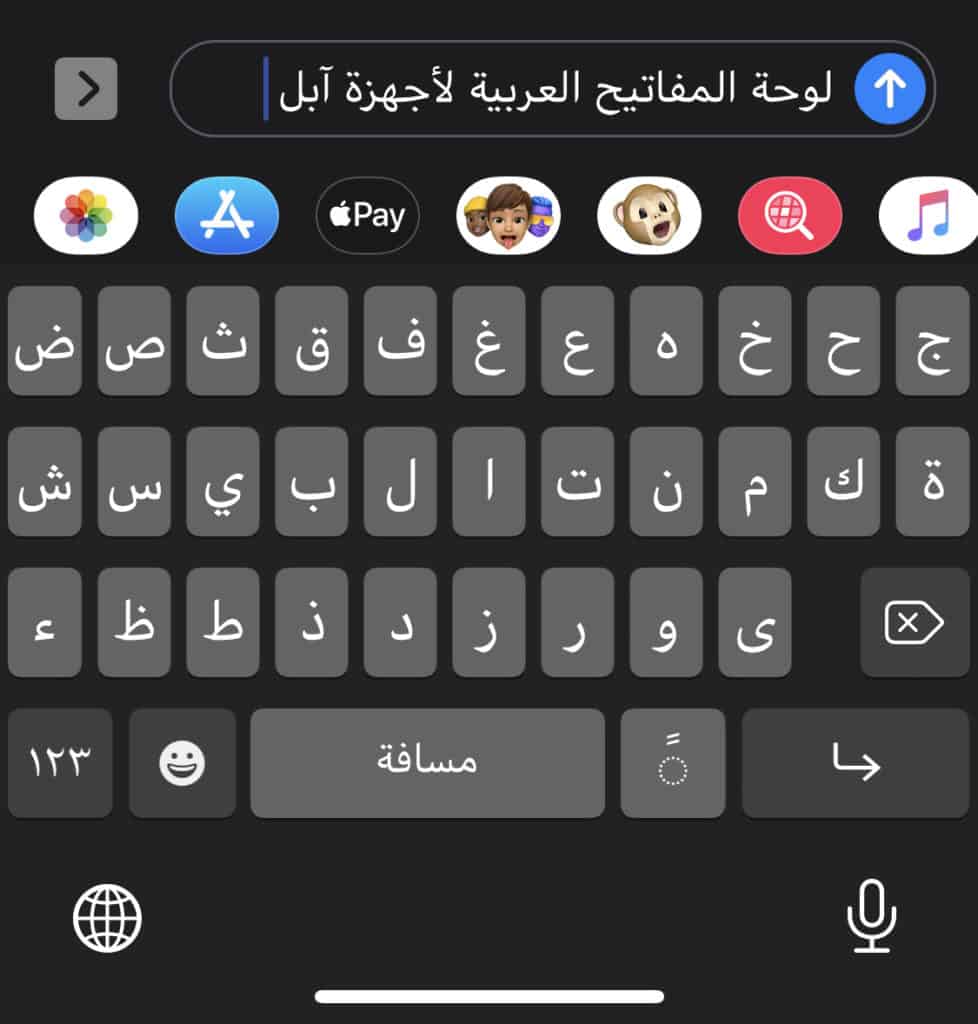
The Arabic script is beautiful, cursive, and written from right to left. For English speakers, this is the first major hurdle. However, it is also one of the most rewarding aspects of the language. The alphabet consists of 28 letters, each with its own unique sound. Unlike English, Arabic is largely phonetic, meaning words are generally pronounced exactly as they are written.
The Concept of Connected Letters
In Arabic, most letters change shape depending on their position in a word. A letter may look different when it stands alone, appears at the beginning of a word, sits in the middle, or comes at the end. This cursive nature means that within a word, letters are connected. There are only six letters that do not connect to the following letter, which creates a visual break in the word. Understanding these positional shapes is critical for reading fluency. Do not rush this stage; spend ample time practicing the writing of each letter in all four forms.
Short Vowels and Diacritics
Arabic uses a system of diacritics, known as Harakat, to indicate short vowels. These are small marks placed above or below the consonants. In beginner texts and the Quran, these are fully visible. However, in most adult literature and news, they are omitted. This means you must learn to deduce the vowel sounds from context. In Step 01, focus on recognizing the three primary short vowels: Fatha (a sound), Kasra (i sound), and Damma (u sound). Mastery of these will ensure your pronunciation is accurate from the start.
Pronunciation and Phonetics
Arabic contains sounds that do not exist in the English language. This can be challenging, but with practice, your mouth will adapt. There are emphatic consonants that are pronounced with the tongue pressed against the roof of the mouth, giving them a heavier quality. There are also guttural sounds produced deep in the throat.
Common Pronunciation Pitfalls
Beginners often struggle with distinguishing between similar sounds, such as Ha and Kha, or Ayn and Alif. The letter Ayn, for example, is a voiced pharyngeal fricative, a sound completely foreign to English speakers. It requires constricting the throat. Do not be discouraged if you cannot produce these sounds perfectly immediately. Record yourself speaking and compare it to native audio. Mimicry is a powerful tool in language acquisition. Consistent practice of these phonemes will prevent fossilization of errors later in your learning journey.
Essential Vocabulary for Lesson 01
While grammar is important, vocabulary gives you immediate utility. In your first week, focus on high-frequency words that allow you to navigate basic interactions. Here are the core categories you should prioritize.
- Greetings: Learn As-salamu alaykum (Peace be upon you) and its response Wa alaykumu s-salam. This is the cornerstone of Arabic social interaction.
- Pronouns: Master the independent pronouns like Ana (I), Anta (You masculine), and Anti (You feminine). Arabic distinguishes gender in the second person, which is crucial for correct grammar.
- Question Words: Words like Man (Who), Madha (What), and Ayna (Where) allow you to start forming inquiries immediately.
- Numbers: Familiarize yourself with numbers 1 through 10. Note that Arabic has two sets of numbers; focus on the ones used in your target region or MSA initially.
Creating flashcards for these terms and reviewing them daily using spaced repetition systems will cement them in your long-term memory. Do not simply memorize the translation; try to associate the word with an image or a feeling to deepen retention.
The Root System Logic
One of the most fascinating aspects of Arabic is the root system. Most Arabic words are derived from a three-letter root that carries a core meaning. For example, the root K-T-B relates to writing. From this root, we get Kitab (book), Katib (writer), Maktab (office/desk), and Maktub (written/letter). Understanding this logic early gives you a superpower. Instead of memorizing every word in isolation, you can begin to guess the meaning of new words based on their root letters. In Step 01, simply be aware of this concept. As you progress, you will learn to identify these patterns instinctively.
Study Habits for Success
Knowing what to study is only half the battle; knowing how to study is the other half. Language learning is a marathon, not a sprint. Consistency trumps intensity. Studying for fifteen minutes every day is far more effective than studying for five hours once a week.
Setting SMART Goals
Define what success looks like for you. Instead of saying I want to learn Arabic, say I want to hold a five-minute conversation in Levantine Arabic within six months. This is a Specific, Measurable, Achievable, Relevant, and Time-bound (SMART) goal. Write your goals down and place them where you can see them daily. This keeps your motivation aligned with your actions.
Immersion Techniques
You do not need to live in an Arab country to immerse yourself. Change the language settings on your phone to Arabic. Listen to Arabic podcasts while commuting. Watch Arabic shows with subtitles. Surrounding yourself with the language signals to your brain that Arabic is important and relevant. Even passive listening helps tune your ear to the rhythm and intonation of the language.
Common Mistakes to Avoid
Every student makes mistakes, but some are preventable. One common error is neglecting the script in favor of transliteration. Transliteration (writing Arabic sounds using English letters) is a crutch that will hinder your progress. Force yourself to read the Arabic script from day one. Another mistake is ignoring grammar rules initially. While communication is key, Arabic grammar is highly structured. Ignoring case endings or gender agreement early on can lead to bad habits that are difficult to break later.
Conclusion and Next Steps
Completing Step 01 of your Arabic learning journey is a significant achievement. You have now mapped out the landscape, understood the script, and identified the resources you need. The path to fluency is filled with challenges, but it is also filled with immense beauty and intellectual reward. Remember that every expert was once a beginner who refused to give up. Keep your goals clear, practice consistently, and embrace the mistakes as part of the learning process. Welcome to the family of Arabic learners, and may your journey with Arabic Goals be fruitful and inspiring.