
Why Egypt is the Heart of Arabic Learning
For decades, Egypt has stood as the cultural powerhouse of the Arab world. Often referred to as the «Hollywood of the Middle East,» Cairo’s influence on music, cinema, and literature means that Egyptian Arabic is understood by nearly every Arabic speaker across the globe. When you choose to learn Arabic in Egypt, you are not just studying a language; you are immersing yourself in the dialect that bridges the gap between the Maghreb and the Gulf. This unique position makes Egypt an unparalleled destination for students seeking both linguistic proficiency and deep cultural understanding.
Beyond the linguistic advantages, Egypt offers a living classroom. The bustling streets of Cairo, the serene banks of the Nile in Luxor, and the historic corridors of Alexandria provide context to every vocabulary word you learn. Whether you are a complete beginner or an advanced learner looking to refine your accent, the Egyptian environment offers a supportive yet challenging atmosphere that accelerates fluency faster than traditional classroom settings alone.
Understanding the Linguistic Landscape
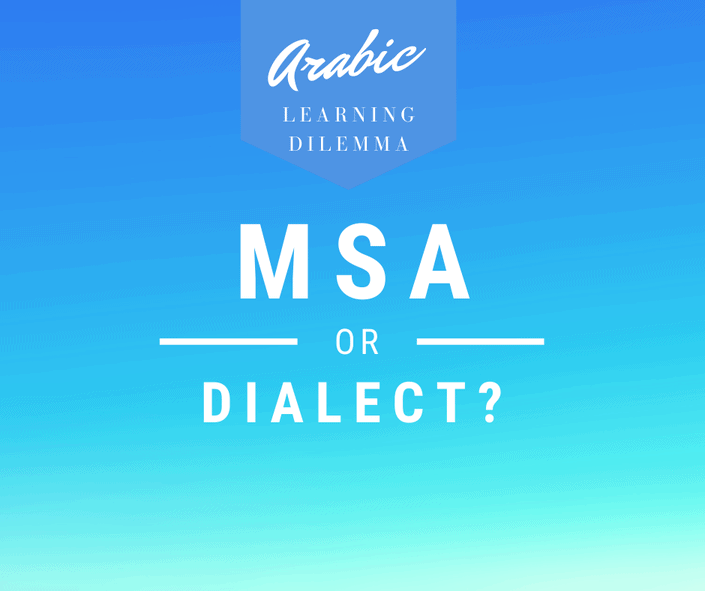
Before booking your ticket, it is crucial to understand the concept of diglossia in the Arab world. Arabic is not a monolith; it exists in a spectrum between the formal written language and the spoken dialects.
Modern Standard Arabic (MSA)
Known as Fusha, Modern Standard Arabic is the formal language used in news broadcasts, official documents, and literature. It is the lingua franca that connects all Arab nations. If your goals are academic, religious, or focused on reading comprehension, MSA is essential. Most university programs in Egypt will begin with a strong foundation in MSA to ensure you grasp the grammatical roots of the language.
Egyptian Colloquial Arabic (Masri)
On the streets, however, people speak Masri. This is the dialect of daily life, used in markets, cafes, and homes. Because of Egypt’s media dominance, Masri is widely understood even in countries where it is not spoken. For students interested in communication, social integration, and navigating daily life, prioritizing Egyptian Arabic is often the most practical choice. The best programs in Egypt offer a hybrid approach, teaching MSA for literacy and Masri for conversation.
Choosing the Right Educational Pathway
One size does not fit all when it comes to language acquisition. Egypt offers a diverse range of institutional frameworks tailored to different learning styles, budgets, and time commitments.
University-Level Programs
Established institutions like the American University in Cairo (AUC) and Cairo University offer rigorous Arabic Language Institutes. These programs are ideal for students seeking academic credit or a structured, semester-long experience. They typically provide high-quality instructors, standardized curricula, and student visas. However, they can be more expensive and may move at a slower pace than intensive private tutoring.
Private Language Centers
There are numerous specialized language centers in Cairo, such as Kalimat or the International Language Institute (ILI). These centers often offer more flexibility than universities, with intensive courses ranging from two weeks to several months. They are excellent for focusing specifically on communication skills and often have smaller class sizes, allowing for more individual attention from instructors.
Private Tutoring and Homestays
For the ultimate personalized experience, hiring a private tutor is highly effective. This allows you to set the pace and focus on specific topics relevant to your interests. Combining tutoring with a homestay family can amplify your learning. Living with an Egyptian family forces you to practice Masri during meals and social gatherings, turning every interaction into a learning opportunity. This method is particularly rewarding for those who learn best through immersion and real-world application.
Life Outside the Classroom: Immersion Strategies
Attending classes is only half the battle. To truly achieve your Arabic goals, you must engage with the culture outside of school hours. Immersion is the key to transforming passive knowledge into active fluency.
The Culture of the Ahwa
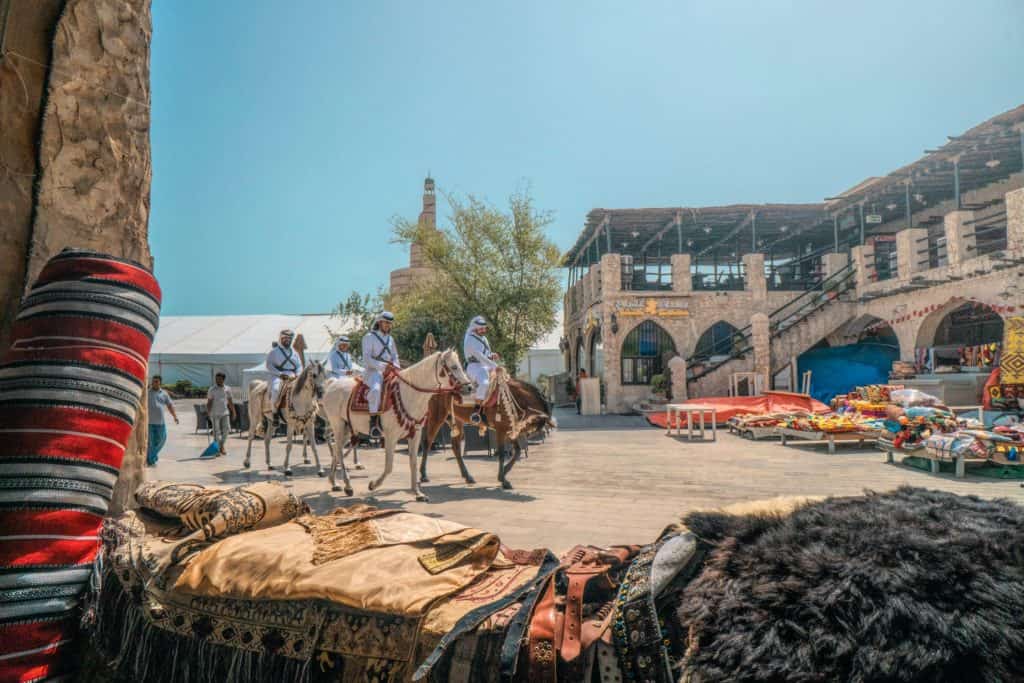
The ahwa (coffee shop) is the social hub of Egypt. It is where men and women gather to drink tea, smoke shisha, and discuss life. For a language learner, the ahwa is a goldmine. Sitting quietly with a notebook, listening to conversations, and eventually striking up chats with locals can improve your listening comprehension dramatically. It is a low-pressure environment where locals are often curious and happy to help a foreigner practice their Arabic.
Navigating the Markets
Visiting traditional markets, or suqs, provides practical vocabulary training. Bargaining is a cultural norm, and engaging in this dance requires negotiation skills, numbers, and descriptive adjectives. Whether you are buying spices in Khan el-Khalili or groceries in a local neighborhood market, these interactions build confidence and practical language skills that textbooks cannot teach.
Practical Logistics for Students
Planning your journey requires attention to logistical details to ensure your stay is smooth and focused on learning.
Visas and Legal Requirements
Most students will enter Egypt on a tourist visa initially. However, if you plan to study for longer than three months, you should inquire about a student residency permit. Your language institute or university can often assist with this process. It is vital to keep your documentation organized to avoid fines or complications during your stay.
Accommodation Options
Where you live impacts what you learn. University dormitories offer a community of fellow learners, which is great for support but may limit interaction with native speakers. Renting an apartment in a neighborhood like Zamalek, Maadi, or Dokki puts you in the heart of local life. Homestays, as mentioned earlier, offer the deepest cultural immersion but require adaptability to family routines.
Budgeting for Your Stay
Egypt is generally affordable compared to Western Europe or North America, but costs vary by lifestyle. Student budgets should account for tuition, accommodation, food, and transportation. While street food is incredibly cheap and delicious, dining in expat-focused areas will increase your expenses. Setting a daily budget and sticking to it will reduce stress and allow you to focus on your studies.
Safety and Cultural Etiquette
Egypt is a hospitable country, but like any major destination, it requires awareness. Dressing modestly respects local customs and can reduce unwanted attention. Understanding social norms, such as greeting shopkeepers before browsing or accepting offers of tea, goes a long way in building rapport. Egyptians are known for their warmth and humor; approaching interactions with patience and a smile will open many doors.
Maximizing Your Progress
To get the most out of your time in Egypt, consistency is key. Even on days when you feel tired, try to engage with the language. Listen to Egyptian music, watch local TV shows, or label items in your house with their Arabic names. Keep a journal in Arabic, even if it is just simple sentences. The goal is to make the language a part of your daily identity, not just a subject you study for an hour each day.
Conclusion
Learning Arabic in Egypt is a transformative journey that extends far beyond grammar and vocabulary. It is an invitation to understand the rhythm of the Nile, the warmth of its people, and the depth of its history. Whether you choose a formal university program, a private tutor, or a hybrid online model, the opportunities for growth are limitless. By immersing yourself in the culture and embracing the challenges of diglossia, you will not only learn a language but also gain a new perspective on the world. Start planning your journey today, and let Egypt be the gateway to your Arabic goals.