Introduction to the Arabic Language Journey
Welcome to Arabic Goals, where we transform the ambition of learning Arabic into achievable reality. Beginning your study of Arabic is akin to unlocking a new dimension of human history, culture, and communication. While the path may seem daunting due to the script’s unique structure and the language’s rich morphological system, structured guidance makes all the difference. This guide draws inspiration from successful academic frameworks, such as the collaborative Arabic classes organized by the Al-Babtain Chair in partnership with the University of Granada and the Euro-Arab Foundation. By examining how institutional courses are structured, we can derive a roadmap for independent learners and classroom students alike.
Many beginners start with enthusiasm but lack a clear syllabus, leading to fragmented knowledge. The goal of this article is to provide an evergreen resource that outlines the critical components of early Arabic education. We will explore the significance of level A1.1, the mechanics of the Arabic script, and the essential resources required to build a solid foundation. Whether you are attending university courses or studying independently, understanding the pedagogy behind the language will accelerate your progress.
The Value of Structured Arabic Education
Learning from Academic Models
When institutions like the Center for Modern Languages collaborate with cultural chairs, they bring rigor to the learning process. A structured environment ensures that students do not skip fundamental steps. In the context of the University of Granada initiatives, the emphasis is placed on a comprehensive presentation of key aspects of the Arabic language. However, a common pitfall in many introductory materials is the provision of headlines without corresponding explanations. A presentation remains incomplete without deep dives into the why and how of the language.
For the self-learner, this means you must seek resources that do not just show you an image of a letter but explain its phonetic origin, its contextual forms, and its historical evolution. Academic models succeed because they integrate linguistics, history, and practical usage. When you approach Arabic, you are not just memorizing symbols; you are engaging with a living tradition that has influenced science, philosophy, and literature for centuries. Adopting a university-level mindset towards your study habits will yield superior results compared to casual app-based learning.
The Importance of Collaborative Learning
Language acquisition thrives in community. The collaboration between entities like the Al-Babtain Chair and university departments highlights the importance of diverse expertise. One expert may focus on grammar, another on calligraphy, and another on conversational fluency. As you build your personal learning network, seek out mentors, online communities, or local study groups. The synergy of different perspectives helps clarify complex topics, such as the distinction between Modern Standard Arabic and regional dialects, ensuring you do not become confused early in your journey.
Decoding the A1.1 Level Expectations
In the Common European Framework of Reference for Languages (CEFR), the A1.1 level represents the absolute break-through stage. When following a syllabus aligned with manuals like Alatul, Level A1.1 focuses on survival Arabic and script mastery. At this stage, the learner is not expected to write essays or debate politics. Instead, the focus is narrowly defined on recognition and production of basic sounds and letters.
Core Competencies for Beginners
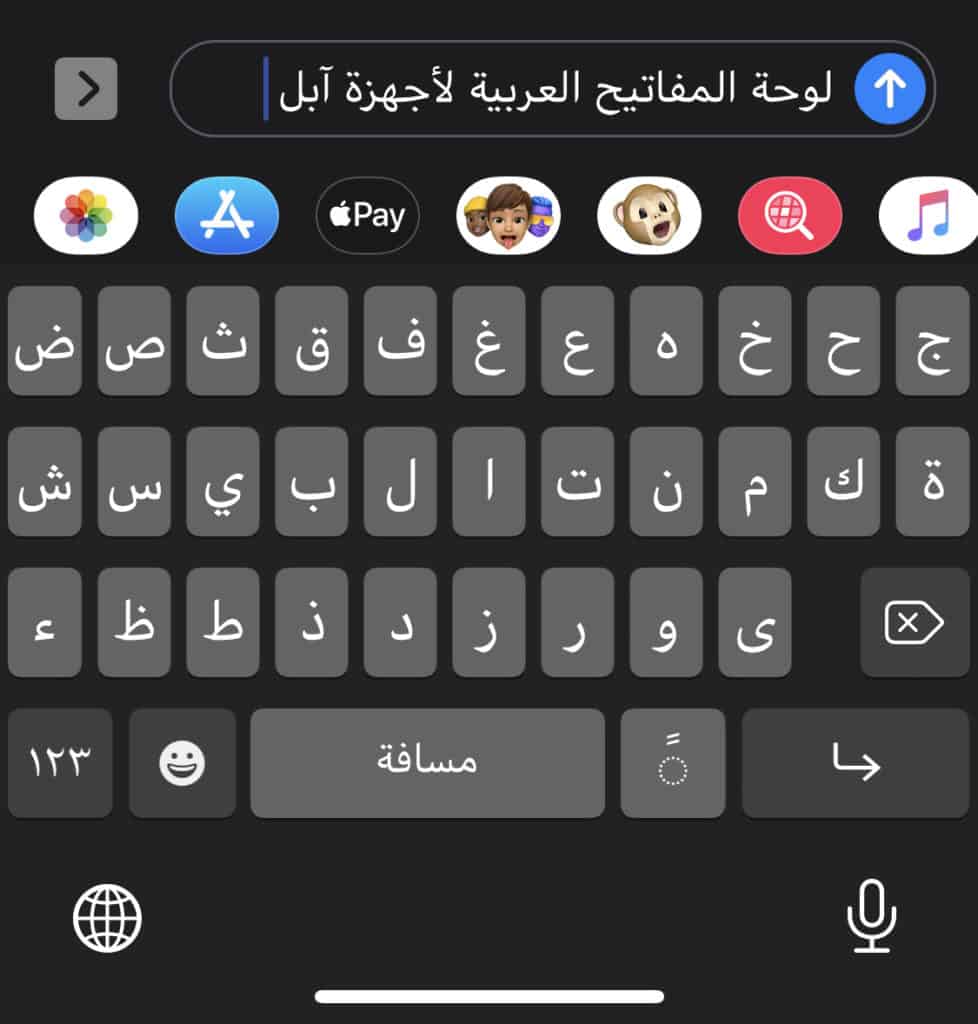
At the A1.1 level, your primary goals should include the ability to recognize the twenty-eight letters of the Arabic alphabet in their isolated forms. You should also begin to understand how these letters change shape when connected to others at the beginning, middle, or end of a word. Furthermore, this level introduces the concept of root words, even if only superficially. You will learn to greet people, introduce yourself, and recognize common nouns. The syllabus typically outlines class topics that progress logically from the alphabet to simple vocabulary, ensuring that cognitive load is managed effectively.
Pacing Your Progress
One of the advantages of a structured syllabus is pacing. Rushing through the alphabet often leads to poor handwriting and incorrect pronunciation habits that are difficult to correct later. A proper A1.1 course allocates sufficient time to each letter group. For instance, learning might stop at the letter Jīm (ج) before moving forward, allowing the student to master the initial set before adding complexity. This gradual introduction is crucial for building muscle memory in writing and auditory discrimination in listening.
Mastering the Arabic Script
The Visual Language
Arabic is written from right to left, and its script is cursive by nature. Unlike Latin script, most letters connect within a word, changing their form depending on their position. Resources such as Nicolás Weber’s book Arabic Writing Made Easy are invaluable because they visualize these transformations. However, due to copyright restrictions, many online presentations only include initial letters up to Jīm (ج). As a dedicated student, you must seek out complete resources that cover the entire alphabet, including the sun and moon letters which affect pronunciation of the definite article.
Visual recognition is only half the battle. You must also understand the proportion of each letter. Arabic calligraphy is based on geometric ratios, often derived from the shape of the letter Alif (ا). Understanding these proportions helps in writing legibly. When letters are disproportionate, words become difficult to read, even for native speakers. Therefore, treating writing as an art form from day one enhances your reading speed later.
Stroke Order and Diacritics
Many beginners ignore stroke order, assuming it does not matter. In Arabic, it matters significantly for flow and speed. Knowing where to start and finish each curve ensures that connections between letters are smooth. Additionally, the use of diacritical marks, known as Harakat, is essential at the A1.1 level. These short vowels indicate pronunciation and grammatical function. Without them, Arabic text is ambiguous. Learning when to use Fatha, Kasra, and Damma is as important as learning the consonants themselves.
Placement concerning the writing line is another technical detail often overlooked. Some letters sit on the line, some hang below, and some extend above. Mastery of the baseline ensures your writing looks professional. Future discussions in comprehensive courses often include images, audios, and videos to assist you in recognizing and pronouncing letters and words. Utilizing multimedia resources reinforces the connection between the visual symbol and the auditory sound, creating a stronger neural pathway for retention.
Curated Resources for the Serious Student
To succeed, you need a library of trusted materials. Based on academic recommendations from institutions like the University of Zaragoza and Edilux publications, here are the essential categories of resources you should acquire.
- Primary Textbook: A structured manual like Alatul by Victoria Aguilar et al. provides the backbone of your study. It ensures you cover grammar and vocabulary in a logical sequence.
- Historical Context: Books such as Introduction to the History of the Arabic Language by Ignacio Ferrando help you understand the evolution of the language. Knowing the history makes the irregularities of modern usage make more sense.
- Calligraphy Guides: The Adventure of the Qalam by José Miguel Puertas Vílchez explores the history, forms, and artists of Arabic calligraphy. This is vital for appreciating the aesthetic dimension of writing.
- Writing Workbooks: Arabic Writing Made Easy by Nicolás Weber is excellent for practical penmanship exercises.
- Digital Maps and Geography: Understanding where Arabic is spoken helps contextualize dialects. Resources like Wikipedia maps can guide your understanding of the Arab world’s geography.
Building a Sustainable Study Habit
Consistency Over Intensity
The most common reason students fail is not lack of talent, but lack of consistency. Studying Arabic for ten hours one week and zero hours the next is ineffective. It is better to study thirty minutes every day. This aligns with the gradual introduction method used in university syllabi. Your brain needs daily exposure to retain the unique sounds and script of Arabic.
Active Recall and Practice
Passive reading is not enough. You must engage in active recall. Cover the English meaning of a word and try to recall the Arabic equivalent. Write the letters from memory without looking at the guide. Record yourself speaking and compare it to native audio. The more senses you involve in the learning process, the stronger your memory will be. As you progress beyond the initial letters, you will find that the patterns begin to repeat, making new vocabulary easier to absorb.
Conclusion: Your Path Forward
Starting Arabic classes, whether at a prestigious university or in your own home, is a commitment to personal growth. The resources and structures mentioned here, from the Alatul manual to the calligraphy guides, are tools to help you achieve your Arabic goals. Remember that every expert was once a beginner struggling with the letter Alif. Embrace the challenge, respect the structure, and enjoy the beauty of the language. With patience and the right guidance, fluency is not just a dream, but an attainable destination. Keep your goals clear, your resources reliable, and your passion alive.