
Welcome to the fascinating journey of learning Arabic. Whether your goal is to read the Quran, communicate with friends in the Middle East, or simply appreciate the rich calligraphy of the language, everything begins with one fundamental step: mastering the Arabic alphabet. At Arabic Goals, we believe that a strong foundation is the key to fluency. This guide is designed to take you from a complete beginner to someone who confidently recognizes and pronounces the building blocks of the Arabic language.
Understanding the Arabic Script
The Arabic script is renowned for its beauty and complexity. Unlike Latin-based scripts, Arabic is written and read from right to left. This directional shift can feel unusual at first, but with practice, it becomes second nature. The Arabic alphabet consists of 28 distinct letters. It is important to note that Arabic is an abjad, meaning the script primarily represents consonants. Vowels are often indicated by diacritical marks, which we will explore in detail later.
One of the most unique features of Arabic is its cursive nature. Almost all letters connect to one another within a word, creating a flowing, interconnected script. This connectivity changes the shape of the letters depending on their position within a word. Understanding this dynamic nature is crucial for reading fluently. You will not simply memorize one shape per letter; you will learn up to four variations for each character.
Letter Forms and Connectivity
To read Arabic effectively, you must recognize how letters transform. Each letter has an isolated form, which is how it appears when standing alone. However, within a word, letters take on initial, medial, or final forms. For example, the letter ب (Ba) looks different at the start of a word compared to the end. This contextual shaping is what gives Arabic calligraphy its artistic fluidity.
The Six Non-Connectors
While most Arabic letters connect to both the preceding and following letters, there are six exceptions. These letters only connect to the letter before them (to their right) but do not connect to the letter after them (to their left). These non-connecting letters are ا (Alif), د (Dal), ذ (Dhal), ر (Ra), ز (Zay), and و (Waw). When writing a word containing these letters, the connection breaks, forcing the next letter to start in its initial or isolated form. Recognizing these breakers is essential for segmenting words correctly during reading.
Grouping Letters by Shape
A highly effective method for memorizing the alphabet is to group letters by their basic shape. Many letters share the same skeletal structure and are only distinguished by dots placed above or below the main body. For instance, the letters ب (Ba), ت (Ta), ث (Tha), ن (Nun), and ي (Ya) all share a similar boat-like shape. By mastering the base shape first, you only need to focus on the number and position of the dots to differentiate them. This reduces the cognitive load and accelerates the memorization process significantly.
Vowels and Diacritics (Tashkeel)
In the source material you may have encountered elsewhere, there is often confusion regarding vowels. It is critical to understand that Arabic letters are consonants, while vowels are represented by marks called Harakat. These short vowels are not written as full letters but as small symbols placed above or below the consonant. They are essential for beginners to ensure correct pronunciation.
Short Vowels (Harakat)
There are three primary short vowels in Arabic. The Fatha is a small diagonal line placed above a letter, producing an «a» sound as in «cat.» The Kasra is a similar line placed below the letter, producing an «i» sound as in «sit.» The Damma looks like a small loop above the letter and produces a «u» sound as in «put.» Mastering these marks allows you to pronounce words accurately, even if you have never heard them before.
Sukun and Shadda
Beyond the basic vowels, there are other critical diacritics. The Sukun is a small circle placed above a letter, indicating that the consonant has no vowel sound following it; it is a stop. The Shadda looks like a small «w» placed above a letter. It indicates gemination, meaning the consonant is doubled or emphasized. For example, the difference between kataba (he wrote) and kattaba (he caused to write) lies in the Shadda. Ignoring these marks can change the meaning of a word entirely, so attention to detail is vital.
Pronunciation Mastery
Pronunciation is where many students face challenges, but it is also where the beauty of Arabic shines. Arabic contains sounds that do not exist in English, requiring specific mouth and throat positions. It is not enough to simply recognize the letter; you must train your muscles to produce the sound correctly.
Emphatic Consonants
Arabic features a set of emphatic letters that are pronounced with a deeper, heavier tone. These include ص (Sad), ض (Dad), ط (Ta), and ظ (Za). When pronouncing these, the back of the tongue raises slightly towards the soft palate, creating a resonant quality. Distinguishing between a regular «T» and an emphatic «Ta» is crucial for comprehension. Listening to native speakers and mimicking their mouth movements is the best way to internalize these nuances.
Guttural Sounds
Another distinct category involves guttural sounds produced in the throat. Letters like ع (Ayn) and ح (Ha) require constricting the throat muscles. The Ayn, in particular, is often difficult for English speakers as it involves a deep pharyngeal constriction. Do not be discouraged if these sounds feel awkward initially. Consistent practice will strengthen the necessary muscles. Recording yourself and comparing it to native audio can provide valuable feedback on your progress.
Effective Practice Strategies
Knowing the theory is one thing; applying it is another. To truly master the Arabic alphabet, you must engage in active practice. Passive reading is not enough. You need to write, speak, and read aloud daily. Here are structured strategies to integrate into your study routine.
Writing Drills
Handwriting reinforces memory. Purchase a dedicated Arabic notebook with guided lines. Start by tracing letters to understand the flow and direction of the pen. Remember, Arabic is written from right to left, so your hand movements will be opposite to what you are used to in English. Practice writing each letter in its four forms: isolated, initial, medial, and final. Once you are comfortable with individual letters, move on to writing simple words. Focus on keeping the letters connected smoothly without lifting your pen unnecessarily. This builds muscle memory for the cursive nature of the script.
Reading Aloud
Reading silently can lead to internal mispronunciations that go uncorrected. Always read aloud when practicing. Start with vowelized text, where the Harakat are fully marked. This ensures you are pronouncing every sound correctly. As you gain confidence, transition to unvowelized text, which is how most adult materials are written. You will learn to deduce the vowels from context. Reading children’s books or graded readers is an excellent way to build vocabulary while reinforcing alphabet recognition. Additionally, reciting aloud helps improve your rhythm and intonation, making your speech sound more natural.
Utilizing Technology and Tools
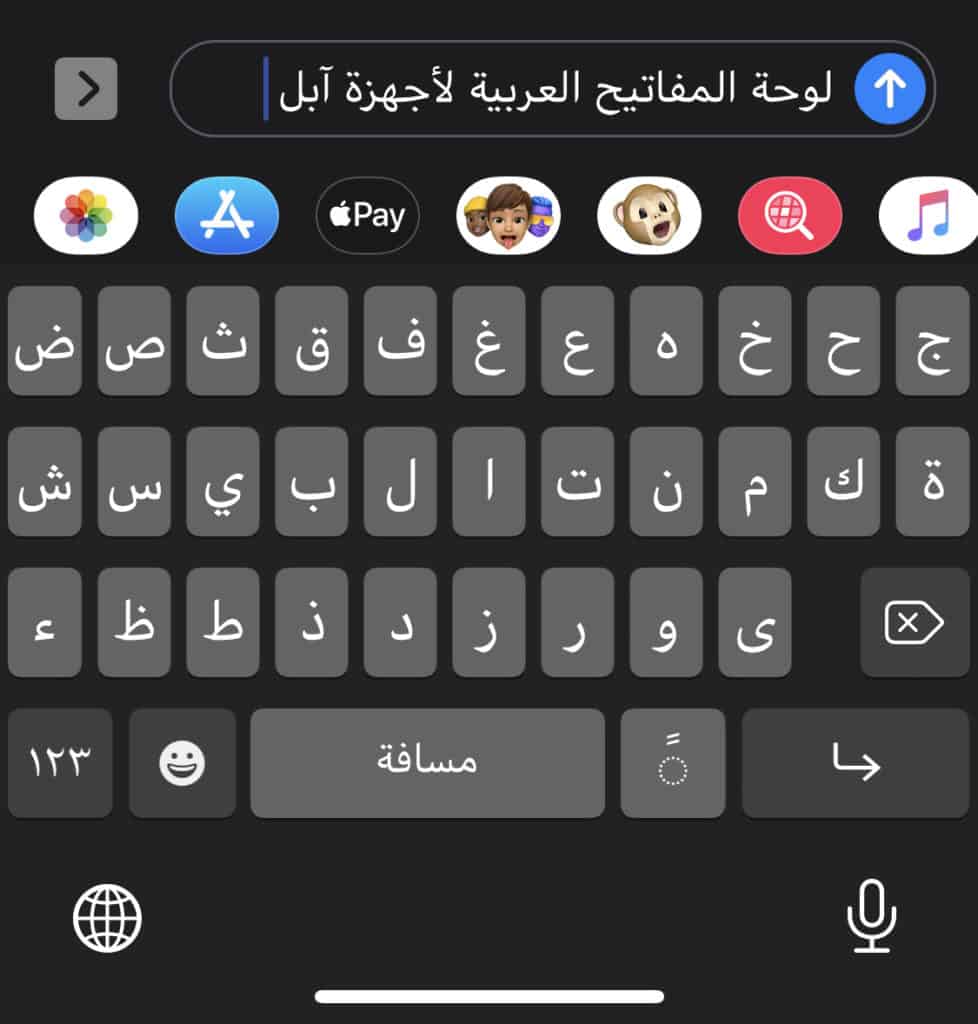
In the digital age, you have access to incredible resources. Use flashcard apps like Anki to spaced-repeat letter recognition. There are also keyboarding tools that allow you to type in Arabic, which helps reinforce letter shapes in a different context. However, do not rely solely on technology. The tactile experience of writing with pen and paper remains one of the most effective methods for retaining script information. Combine digital tools for quizzes and physical writing for deep learning.
Common Pitfalls to Avoid
As you embark on this journey, be aware of common mistakes. One major error is ignoring the dots. In Arabic, a single dot can change a letter entirely, such as the difference between ب (Ba) and ت (Ta). Another pitfall is rushing into complex grammar before solidifying the alphabet. Patience is key. Do not move to sentence structure until you can read words fluently. Finally, avoid relying solely on transliteration (writing Arabic sounds using English letters). Transliteration is a crutch that prevents you from truly learning the script. Wean yourself off it as soon as possible to ensure long-term success.
Conclusion
Learning the Arabic alphabet is more than just memorizing symbols; it is about unlocking a new way of thinking and communicating. It is the foundation upon which your entire language journey will be built. By understanding the letter forms, mastering the pronunciation of unique sounds, and engaging in consistent practice, you will overcome the initial hurdles. Remember, every fluent speaker started exactly where you are now. With dedication, the right resources, and a structured approach, you will achieve your Arabic goals. Start today, practice consistently, and enjoy the beauty of the language.