
Introduction to Your Arabic Learning Journey
Are you ready to embark on one of the most rewarding linguistic journeys available today? Whether you are driven by a desire to connect with heritage, expand your career horizons, or simply challenge your brain with a new script, learning Arabic is a profound endeavor. Many students ask us at Arabic Goals: Is there a high-quality Arabic learning course free of charge? The answer is a resounding yes, but with a caveat. Accessing information is easy; mastering the language requires structure, discipline, and the right roadmap. This comprehensive guide is designed to be your evergreen companion, transforming the overwhelming landscape of online resources into a clear, actionable path toward fluency.
Arabic is spoken by over 420 million people worldwide and is one of the six official languages of the United Nations. However, it is not merely a tool for communication; it is a key to unlocking a rich tapestry of history, literature, and culture that spans centuries. In this article, we will dissect what makes a successful learning course, explore the critical distinction between Modern Standard Arabic and dialects, and provide you with a strategic plan to utilize free resources effectively. Let us begin this adventure together.
What Constitutes a True Arabic Learning Course?
When searching for an Arabic learning course, it is essential to distinguish between a collection of random videos and a structured pedagogical program. A true course is designed with learning objectives in mind. It should not only introduce vocabulary but also explain the underlying logic of the language. Arabic is a root-based language, meaning most words are derived from three-letter roots that carry a core meaning. Understanding this system is the key to unlocking thousands of words without rote memorization.
A comprehensive course must address the four pillars of language acquisition: reading, writing, speaking, and listening. Many free resources focus heavily on reading and grammar, neglecting the auditory skills necessary for real-world conversation. A balanced program will integrate audio clips of native speakers, writing exercises that reinforce muscle memory for the script, and conversational drills. Before diving into complex grammar, it is helps to familiarize yourself with mastering the Arabic alphabet, as this is the absolute foundation of all further study. Without recognizing the letters, progress is impossible.
Navigating the Linguistic Landscape: MSA vs. Dialects
One of the most confusing aspects for beginners is the concept of diglossia in the Arabic-speaking world. This refers to the situation where a community uses a «high» variety of the language for formal contexts and a «low» variety for informal contexts. Understanding this distinction is critical before selecting a course.
Modern Standard Arabic (MSA)
Modern Standard Arabic, known as Fusha, is the formal language used in news broadcasts, literature, official documents, and religious contexts. It is universally understood across the Arab world, from Morocco to Oman. If your goals are academic, religious, or professional (such as working in international relations), an course focusing on MSA is the correct choice. However, it is important to note that no one speaks MSA as a native mother tongue in daily life.
Colloquial Dialects (Ammiya)
For daily communication, travel, and social integration, dialects are essential. Major dialects include Egyptian, Levantine (Syrian, Lebanese, Jordanian, Palestinian), and Gulf Arabic. Each has its own unique pronunciation, vocabulary, and grammar rules. For instance, the word for «now» in MSA is الآن (al-aan), but in Egyptian dialect, it is often دلوقتي (delwaqti). A high-quality learning path often recommends starting with MSA to build a strong grammatical foundation before branching into a specific dialect. This approach ensures you can read and write formally while possessing the flexibility to adapt to regional speech.
The Foundation: Mastering the Arabic Script
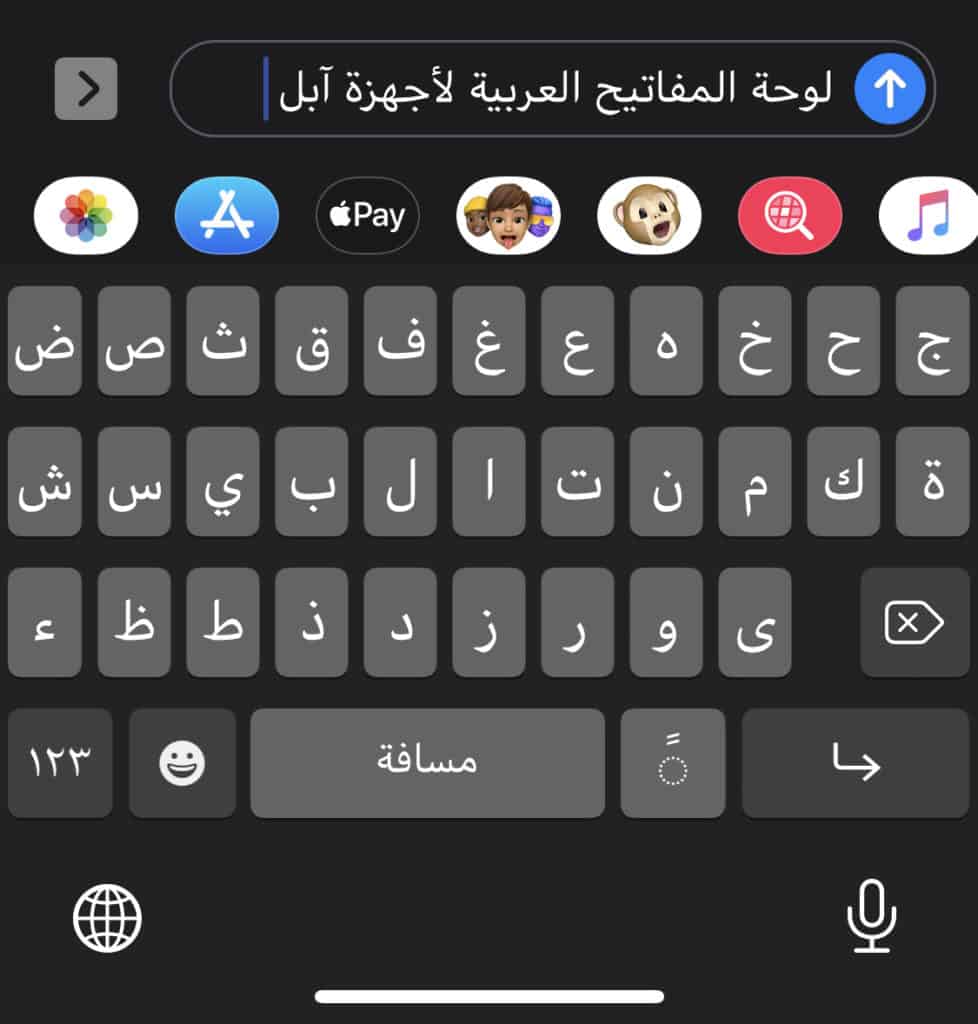
The Arabic script is beautiful, cursive, and written from right to left. It consists of 28 basic letters, and unlike English, most letters change shape depending on whether they appear at the beginning, middle, or end of a word. This contextual shaping can be challenging for beginners but becomes intuitive with practice. Consider the letter ب (Ba). When it stands alone, it looks like a boat with a dot underneath. When connected, it morphs to join its neighbors seamlessly.
Vowels in Arabic are often optional in written text. Short vowels are indicated by diacritical marks called harakat, which sit above or below the letters. In beginner courses, texts are fully vocalized to aid pronunciation. As you advance, you will encounter unvoweled text, requiring you to rely on context and grammar to determine the correct pronunciation. This feature makes learning to read a skill of pattern recognition. For example, the greeting مرحبا (Marhaba) means «Hello.» Recognizing the root R-H-B relates to welcome and breadth helps you remember the word permanently. A structured course will guide you through these shapes systematically, ensuring you do not develop bad habits early on.
The Transformative Benefits of Learning Arabic
Enrolling in an Arabic learning course offers advantages that extend far beyond simple vocabulary acquisition. The benefits are cognitive, cultural, and professional.
1. Deep Linguistic Understanding
Arabic challenges the brain in unique ways. The non-linear root system forces you to think about language logically rather than just memorizing lists. By learning the fundamentals, students can better comprehend what they are reading, writing, speaking, and listening to. You begin to see patterns where others see chaos. This cognitive锻炼 (exercise) improves memory and problem-solving skills in other areas of life.
2. Enhanced Cultural Awareness
Language is the vessel of culture. By learning Arabic, you gain access to the customs, hospitality traditions, and social norms of the Arab world. This is invaluable in areas such as business, travel, and social interactions. Understanding the difference between formal and informal address, or the significance of certain greetings, prevents cultural misunderstandings. It shows respect and opens doors that remain closed to those who rely solely on translation apps.
3. Expanded Career Prospects
Understanding Arabic can open up many job opportunities. In many industries, communicating in Arabic is a valuable skill that leads to better career prospects. Fields such as journalism, intelligence, energy, diplomacy, and non-governmental organizations actively seek Arabic speakers. Being able to negotiate or communicate directly in the local language gives you a significant competitive edge in the global marketplace.
Strategies for Finding and Using Free Resources
There are many free Arabic learning courses available online, but quality varies significantly. These courses typically provide a comprehensive introduction and serve as a starting point for further study. To maximize their value, you must adopt a strategy of active learning rather than passive consumption.
Curating Your Curriculum
Look for courses that offer a structured syllabus rather than isolated lessons. Some of the most popular free options include comprehensive platforms that cover all the basics. They are designed to help students build a strong foundation and can be used as a starting point for further study. Look for resources that include quizzes and exercises to improve understanding. Once you complete these, you might want to explore top language learning apps to supplement your studies with spaced repetition systems for vocabulary.
The Importance of Consistency
Free courses require self-discipline. Without a tuition fee or a strict deadline, it is easy to procrastinate. Set a schedule. Dedicate at least 30 minutes daily to your studies. Consistency is far more effective than cramming. Use the free resources to learn the concept, then practice it in real life. Write a diary entry in Arabic, label items in your house, or speak to yourself in the mirror. The goal is to move knowledge from short-term to long-term memory.
Common Pitfalls to Avoid
As an instructor, I have seen many students stall in their progress due to common mistakes. First, do not ignore pronunciation early on. Arabic contains sounds that do not exist in English, such as the emphatic Sad ص or the throaty Ayn ع. If you do not learn these correctly at the start, you will be difficult to understand later. Second, do not rely solely on transliteration (writing Arabic sounds with English letters). This crutch prevents you from becoming literate in the actual script. Third, do not mix dialects randomly. Stick to one dialect for speaking practice while learning MSA for reading to avoid confusion.
Conclusion: Your Path to Fluency Starts Now
Learning Arabic can be a rewarding experience, and an Arabic learning course is a great way to start. There are many free options available online providing a comprehensive introduction. So, if you are looking for an Arabic learning course free of charge, look no further than the structured pathways outlined above. Remember to also study essential Arabic grammar rules to accelerate your fluency. The journey of a thousand miles begins with a single step, or in this case, a single letter. Embrace the challenge, celebrate small victories, and let the beauty of the language inspire you. Your future self will thank you for the commitment you make today.
Frequently Asked Questions
Is it possible to learn Arabic for free?
Yes, there are many high-quality free Arabic learning courses available online that cover the basics effectively. However, achieving advanced fluency may eventually require paid tutoring for conversation practice.
How long does it take to become fluent in Arabic?
Fluency depends on dedication, but consistent study with a structured course can lead to conversational ability within 6-12 months. The Foreign Service Institute categorizes Arabic as a Category V language, suggesting it takes longer for English speakers than European languages.
Should I learn Modern Standard Arabic or a dialect?
It is generally recommended to start with Modern Standard Arabic (MSA) before branching into specific regional dialects. This provides the literacy and grammatical framework needed to understand the structure of any dialect you choose later.