
Welcome to Arabic Goals, your premier destination for achieving linguistic excellence. Embarking on the journey to learn Arabic is one of the most rewarding intellectual pursuits you can undertake. While the path may seem daunting at first, especially when navigating the differences between your native tongue and this rich Semitic language, the destination is worth every step. Whether you are approaching this study through the lens of Malayalam, English, or any other language, the fundamental principles of acquisition remain universal. This guide is designed to transform your approach from passive interest to active proficiency, providing you with the tools, strategies, and mindset needed to succeed.
The Transformative Benefits of Learning Arabic
Understanding why you are learning a language is the fuel that keeps you going when the grammar gets tough. The benefits of acquiring Arabic extend far beyond simple communication; they permeate professional, cognitive, and cultural aspects of your life. First and foremost, Arabic is a gateway to a vast and diverse culture. The Arab world spans from the Atlantic Ocean to the Arabian Sea, encompassing twenty-two countries with rich histories, traditions, and hospitality. By learning the language, you gain an authentic understanding of these cultures that is impossible to achieve through translation alone. You begin to appreciate the poetry, the humor, and the social nuances that define Arab societies.
From a professional standpoint, Arabic is a critical language in the global economy. Proficiency in Arabic can open doors in fields such as international relations, journalism, translation, business, and security. In a competitive job market, being able to speak Arabic sets you apart as a candidate with unique skills and cultural sensitivity. Furthermore, studies have shown that learning a complex language like Arabic enhances cognitive function. It improves memory, problem-solving skills, and even delays the onset of dementia. Finally, for many students, there is a spiritual dimension. Arabic is the language of the Quran, and for Muslims worldwide, learning it deepens their connection to their faith and allows for a direct understanding of religious texts without reliance on interpretation.
How to Get Started on Your Arabic Journey
The initial phase of learning any language is critical. It sets the tone for your entire journey. The first step is to curate reliable resources. In the past, students were limited to textbooks and local tutors. Today, you have access to a wealth of online courses, mobile applications, and virtual classrooms. However, quality matters more than quantity. It is essential to find a course or program that aligns with your specific goals. Are you interested in Modern Standard Arabic (MSA) for reading news and literature? Or are you focused on a specific dialect like Levantine or Egyptian for travel and conversation? Clarifying this early prevents confusion later.
Once you have selected your resources, you must establish a framework for success. This involves setting realistic, measurable goals. Instead of a vague goal like «I want to be fluent,» try «I will learn ten new words every day» or «I will hold a five-minute conversation by the end of the month.» Consistency is the key to language acquisition. Learning a new language takes time and dedication, so it is important to stay focused and keep up with your studies even when progress feels slow. Create a study schedule that fits your lifestyle, whether it is thirty minutes every morning or an hour every evening. Additionally, do not hesitate to ask for help. Join communities, find language exchange partners, and engage with instructors when you encounter difficulties. Understanding something incorrectly can lead to fossilized errors that are hard to correct later.
Core Pillars of Arabic Proficiency
To move from a beginner to an intermediate speaker, you must focus on the four core skills: reading, listening, speaking, and writing. Each pillar supports the others, creating a robust foundation for fluency. Below, we break down how to master each area effectively.
Mastering the Arabic Alphabet
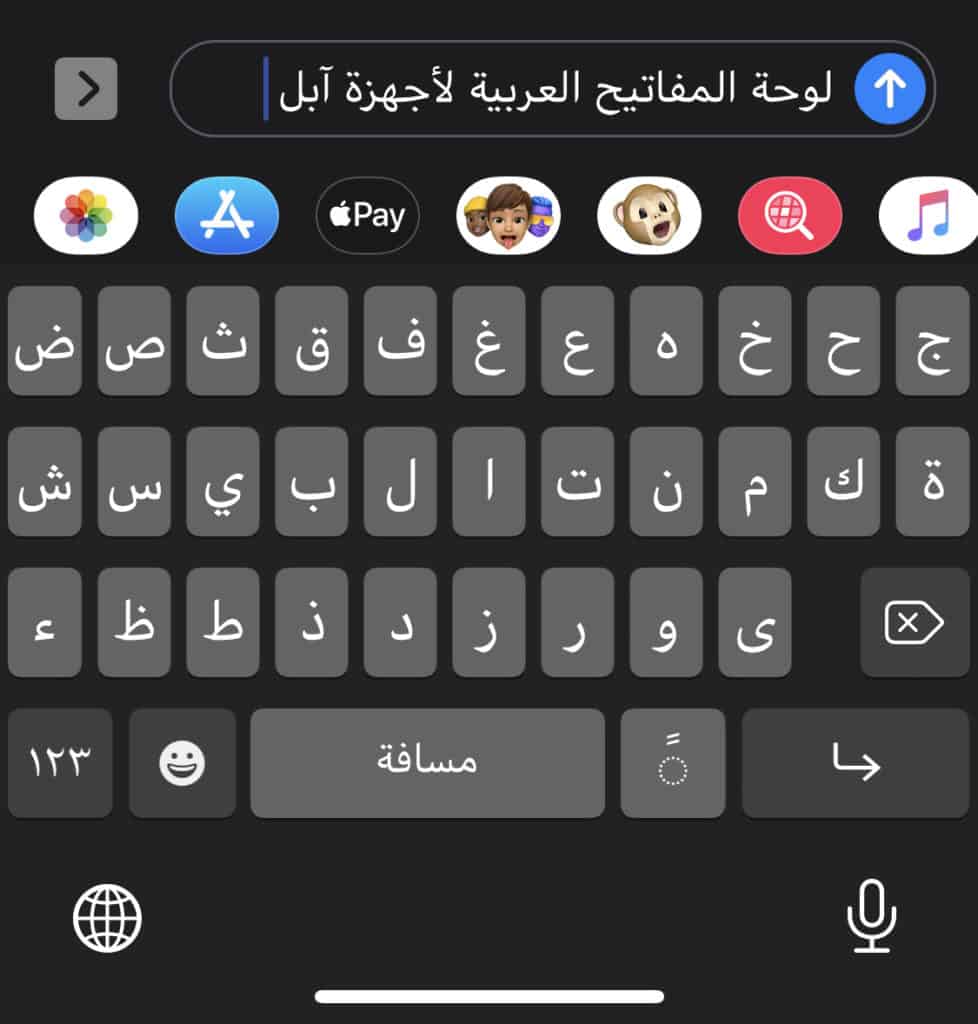
The first step in learning any language is to learn the alphabet, and Arabic is no exception. However, the Arabic script is more than just a set of symbols; it is a cursive system that flows from right to left. There are twenty-eight letters in the Arabic alphabet, and each letter can take up to four different forms depending on its position in a word: isolated, initial, medial, or final. Learning the Arabic alphabet is a great way to get started and can help you understand the language better because it unlocks the ability to read vocabulary immediately. Do not rely on transliteration (writing Arabic sounds using English letters) for too long, as this limits your pronunciation accuracy.
Furthermore, you must pay attention to Makharij, or the points of articulation. Arabic contains sounds that do not exist in English or Malayalam, such as the emphatic consonants and the guttural sounds like Ayn and Qaf. Practicing these sounds early ensures that your accent is clear and respectful. Use flashcards, writing exercises, and digital tools to memorize the shapes and sounds. Once you recognize the letters, you can begin to decode words, which is empowering for a new learner.
Listen and Repeat: The Power of Immersion
Listening to native speakers and repeating what they say is a great way to learn the language. This technique, often called «shadowing,» involves listening to a piece of audio and trying to mimic the speaker exactly, including their rhythm, intonation, and emotion. It is important to practice your pronunciation and to pay attention to the nuances of the language. Arabic is a stress-timed language, meaning the rhythm depends on which syllables are emphasized. Misplacing stress can sometimes change the meaning of a word or make you difficult to understand.
To implement this, immerse yourself in Arabic media. Listen to Arabic podcasts, watch news broadcasts in Modern Standard Arabic, or enjoy movies and series in specific dialects. Even if you do not understand everything at first, your brain is tuning itself to the sounds and patterns of the language. Repeat phrases out loud. Record yourself and compare it to the native speaker. This feedback loop is essential for correcting errors in real-time. The more you listen, the more natural the language will feel to your ear, reducing the mental translation time when you speak.
Practice Speaking with Confidence
Once you have mastered the basics of the language, it is important to practice speaking it. Many students fall into the trap of «passive knowledge,» where they can understand a lot but cannot produce speech. Finding a native speaker to practice with is a great way to gain confidence in your language skills and to perfect your pronunciation. In the digital age, this is easier than ever. Platforms exist that connect learners with tutors from around the world. Do not be afraid of making mistakes; they are proof that you are trying.
Start with simple introductions and daily routines. Gradually move to more complex topics like your opinions, plans, and descriptions of events. If you do not have access to a native speaker, talk to yourself in Arabic. Describe what you are doing while cooking or commuting. This keeps your brain active in the target language. Remember, fluency is not about perfection; it is about communication. Focus on getting your message across, and let accuracy improve over time through feedback.
Write in Arabic to Solidify Knowledge
Writing in Arabic is a great way to become more comfortable with the language. It forces you to slow down and think about grammar, spelling, and sentence structure. You can start by writing simple sentences and then gradually build up to longer and more complex ones. Keep a journal in Arabic. Write about your day, your goals, or a summary of a story you read. This practice helps internalize the root system of Arabic, where most words are derived from three-letter roots.
Additionally, try to engage in written communication. Send messages to friends or tutors in Arabic. Ask them to correct your writing. Understanding the difference between spoken dialects and written Modern Standard Arabic is crucial here. Usually, writing is done in MSA, while speaking may be in a dialect. Being able to navigate both registers is a sign of high proficiency. Writing also helps with memory retention; the physical act of writing the script reinforces the neural pathways associated with the vocabulary.
Overcoming Common Challenges
Every learner faces obstacles. In Arabic, common challenges include the diglossia situation (the difference between spoken and written Arabic), complex grammar rules regarding gender and number, and the vast vocabulary. To overcome these, break things down. Do not try to learn everything at once. Focus on high-frequency vocabulary first. Use mnemonic devices to remember root words. If a word seems difficult, trace it back to its root to find connections with other words you already know. Patience is your greatest ally. Language learning is a marathon, not a sprint. Celebrate small victories, such as understanding a song lyric or ordering food successfully.
Conclusion
Learning Arabic can be a great way to gain a deeper understanding of a new culture and to open up opportunities for yourself in the future. Whether you are approaching this through the medium of Malayalam, English, or another language, the dedication required remains the same. With the right resources and guidance, anyone can become proficient in Arabic. By setting realistic goals, staying focused, and engaging with the language through reading, listening, speaking, and writing, you can become an Arabic speaker in no time. At Arabic Goals, we believe in your potential. Start today, stay consistent, and watch as the world opens up to you through the beauty of the Arabic language.