
Table of Contents
Introduction to Arabic Lesson 1
Embarking on the journey of learning a new language can feel daunting, particularly when tackling a language as unique and rich as Arabic. To make this process smoother, it is crucial to break the language down into manageable chunks that are easier to learn and digest. This is precisely where Arabic Lesson 1 comes into play. In this comprehensive guide, you will master the fundamentals of the Arabic language and explore its distinct alphabet. You will also discover essential words and phrases used in daily conversation. By the end of this lesson, you will have established a solid foundation for further study. For more tips on [[LINK:arabic-pronunciation-guide]]mastering Arabic pronunciation[[/LINK]], be sure to check out our specialized guide later in your journey.
The Alphabet
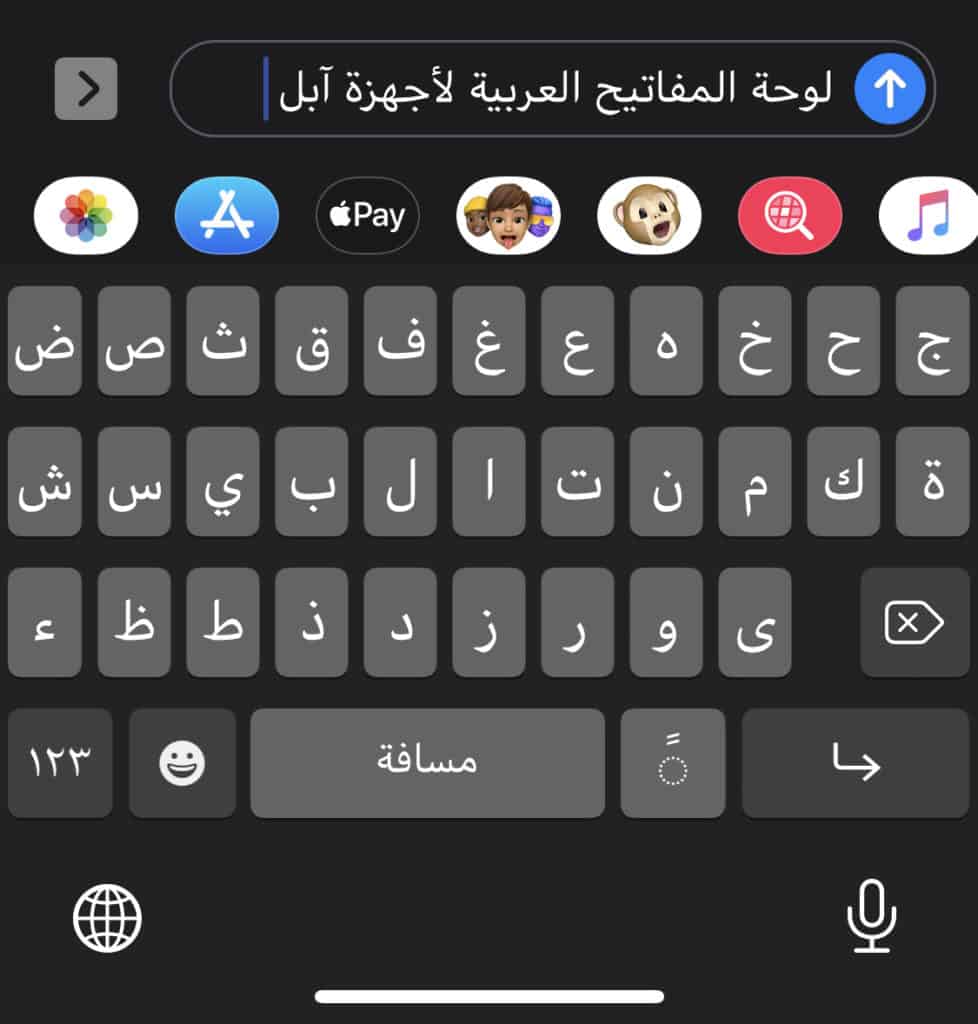
The first step to mastering any language is understanding its writing system. In Arabic, this is known as the “Arabic alphabet” or “Al-Hijāzī”. The alphabet consists of 28 letters, all of which are written and read from right to left. These letters are generally divided into three groups: consonants, semi-vowels, and vowels. Understanding these components is crucial before moving on to [[LINK:arabic-grammar-fundamentals]]basic Arabic grammar[[/LINK]]. Additionally, remember that letter shapes may change depending on their position within a word, such as initial, medial, or final forms. This fluidity adds a calligraphic beauty to the script that is unique among world languages.
Consonants
The consonants form the backbone of the Arabic alphabet. They include:
- ب (b)
- ت (t)
- ث (th)
- ج (j)
- ح (ḥ)
- خ (kh)
- د (d)
- ذ (dh)
- ر (r)
- ز (z)
- س (s)
- ش (sh)
- ص (ṣ)
- ض (ḍ)
- ط (ṭ)
- ظ (ẓ)
- ع (ʿ)
- غ (gh)
- ف (f)
- ق (q)
- ك (k)
- ل (l)
- م (m)
- ن (n)
- ه (h)
- و (w)
- ي (y)
Semi-Vowels
The semi-vowels in the Arabic alphabet act as both consonants and long vowels depending on the context. They are:
- ء (ʾ)
- و (w)
- ي (y)
Vowels
Short vowels are typically represented by diacritical marks, but the primary vowel carriers include:
- أ (a)
- ؤ (u)
- ئ (i)
Greetings and Common Phrases
Once you have a good grasp of the alphabet, it is time to learn some basic phrases to start communicating. Here are some of the most common Arabic greetings and phrases used across the Arab world. Practicing these aloud is one of the [[LINK:best-arabic-apps]]top Arabic learning apps[[/LINK]] recommendations for beginners, as speaking early builds confidence. In Arab culture, greetings are highly valued and set the tone for any interaction. Hospitality is central to the culture, so knowing how to greet someone properly is a sign of respect.
Greetings
- Hello: Marhaba
- Good morning: Sabah al-khayr
- Good afternoon: Masa al-khayr
- Good evening: Masa al-khayr
- Good night: Layla sa’eeda
Common Phrases
- Thank you: Shukran
- Yes: Na’am
- No: La
- Please: Min fadlak
- Excuse me: Afwan
- I don’t understand: Ana la afham
Conclusion
Learning a language like Arabic can be challenging, but with a good foundation, it becomes significantly easier. In this lesson, you have learned the basics of the Arabic language and its alphabet. You have also acquired common words and phrases that will help you navigate initial conversations. With this knowledge, you are now ready to take your first steps in learning the language. Continue practicing daily to reinforce what you have learned in this beginner’s guide.