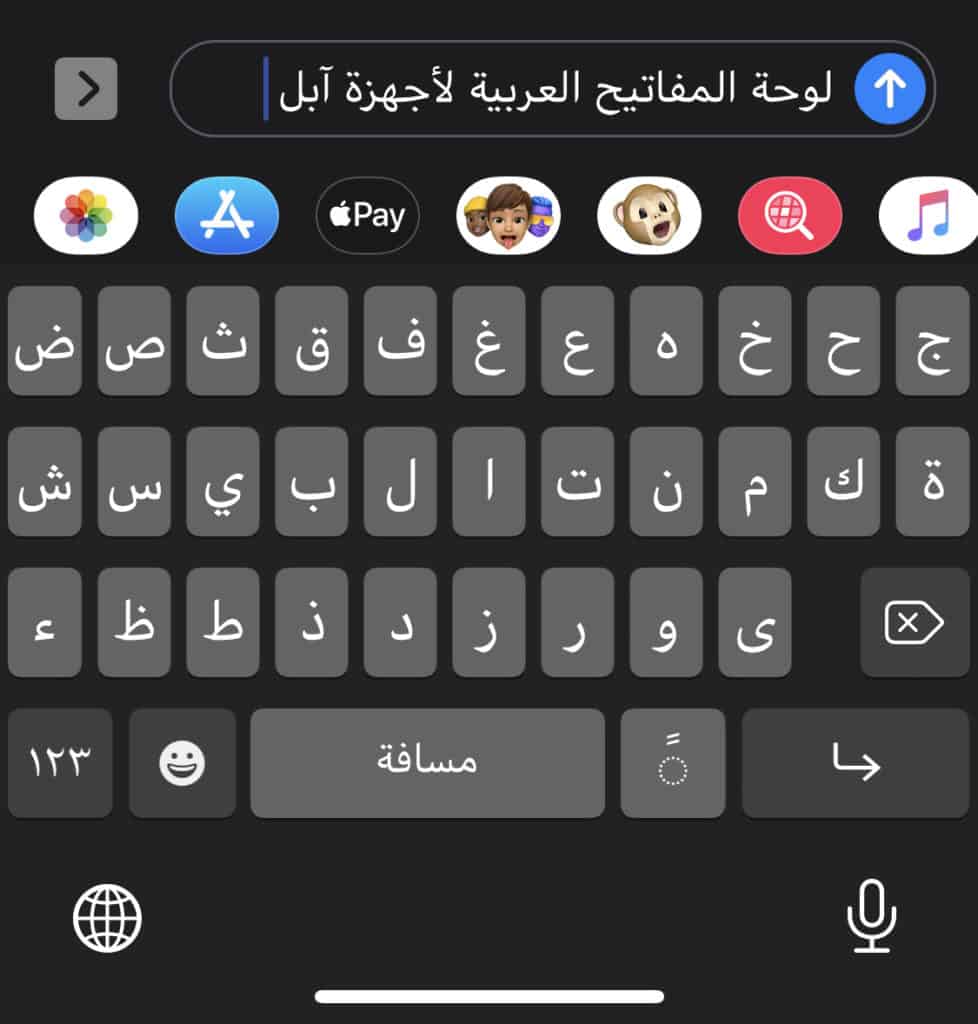

Welcome to Arabic Lesson 4, a pivotal moment in your journey toward linguistic fluency. Learning the Arabic language is no easy task, but with the right resources and dedication, anyone can become proficient in this rich and historic tongue. Many students stall at the beginning because they lack a structured path or feel overwhelmed by the script. This guide is designed to bridge that gap and provide you with a clear roadmap. We will be covering the essentials of pronunciation, grammar, and vocabulary, as well as providing some actionable tips and tricks for learning the language quickly and efficiently. Whether you are aiming for conversational fluency in a specific dialect or literary mastery of Modern Standard Arabic, understanding these core pillars is non-negotiable. So, let us get started with Arabic lesson 4 and transform your understanding of the language from passive recognition to active usage.
The Art of Arabic Pronunciation
The first step in learning any language is mastering its pronunciation. Arabic is a language with many unique sounds that are not found in English, such as the emphatic consonants and guttural stops. It is important to practice pronouncing these sounds accurately so that you can communicate clearly with native speakers. Mispronunciation can lead to confusion, as some sounds change the meaning of words entirely. For a deeper dive into the script, check out our comprehensive Arabic alphabet guide. Here are some detailed tips for mastering pronunciation:
Understanding Makharij (Points of Articulation)
Arabic phonetics rely on Makharij, the specific points in the mouth and throat where sounds originate. Unlike English, where sounds are often soft, Arabic requires precise tension and placement. For instance, the letter ح (Ha) comes from the middle of the throat, while ه (Ha) comes from the back. Practicing these distinctions is vital. Many learners confuse these sounds, but with targeted exercises, you can train your mouth muscles to produce them correctly. Do not rush this stage; a strong foundation in pronunciation will save you countless hours of correction later.
Emphatic Consonants and Vowels
Pay attention to the distinction between short and long vowels, as this changes word meanings. In Arabic, vowels are often represented by diacritical marks known as Harakat. The Fatha makes an «a» sound, the Kasra makes an «i» sound, and the Damma makes a «u» sound. Lengthening these vowels changes the word completely. Additionally, emphatic consonants like ص (Sad) and ض (Dad) require a deepening of the tongue. Listen to audio recordings of native speakers and imitate their pronunciation closely. Practice speaking out loud and record yourself to listen back and identify mistakes. Focus on the different sounds that are used in Arabic and practice them until they become second nature.
Decoding Arabic Grammar
Grammar is an important part of any language and it is essential to understand the rules of Arabic grammar in order to communicate effectively. Arabic grammar relies heavily on root systems and patterns. This logical structure is actually a benefit once understood, as it allows for exponential vocabulary growth. To understand this better, you might want to review our guide on essential Arabic grammar rules. Here are some tips for mastering Arabic grammar:
The Root System Explained
Most Arabic words derive from a three-letter root. For example, the root K-T-B relates to writing. From this, we get Kataba (he wrote), Kitab (book), and Katib (writer). Recognizing these patterns allows you to guess meanings of new words without a dictionary. This system is the engine of the Arabic language. When you encounter a new word, try to identify its root letters. This analytical approach will help you decode sentences faster and retain information longer. It transforms grammar from a set of arbitrary rules into a logical puzzle waiting to be solved.
Gender and Number Agreement
Learn the different ways of forming nouns, adjectives, and adverbs based on gender and number. Arabic has masculine and feminine genders, and singular, dual, and plural forms. Verbs must agree with their subjects. Memorize the rules of Arabic grammar and practice using them in your own writing and speaking. Learn the conjugation of verbs in the past, present, and future tenses. Read and listen to Arabic texts and pay attention to how the words are used in context. Understanding agreement rules is crucial for constructing sentences that sound natural to native ears. Ignoring gender agreement is a common mistake that immediately marks a speaker as a beginner.
Strategic Vocabulary Acquisition
Learning new vocabulary is essential to becoming proficient in any language. Building a strong foundation of words allows you to express complex ideas. However, memorizing lists without context is inefficient. Here are some tips for mastering Arabic vocabulary:
- Read books and articles in Arabic to expose yourself to new words in context.
- Memorize the most commonly used words and phrases in the language first.
- Learn the different ways of forming words by adding prefixes and suffixes to root letters.
- Use flashcards or online programs to help you memorize new words consistently.
Focus on high-frequency verbs and nouns that appear in daily conversation. Connecting words to images or personal experiences enhances retention. Do not just translate; understand the nuance. For example, learning the word for «love» involves understanding its cultural weight in Arabic poetry and speech. Start with the top 100 most common words. These will cover a significant percentage of daily interactions. As you progress, categorize your vocabulary by themes such as family, travel, or food. This thematic approach helps your brain create associations, making recall faster and more reliable during conversation.
Pro Tips for Accelerated Learning
Learning any language takes time and dedication, but here are some tips and tricks to help you become proficient in Arabic faster. Consistency is key, and finding resources that fit your lifestyle is crucial. If you are looking for digital tools, consider using platforms that help you learn Arabic online. Motivation often fades, so building habits is more important than intensity. It is better to study for fifteen minutes every day than for five hours once a week.
- Watch Arabic movies and TV shows to learn the language in a fun and entertaining way.
- Listen to Arabic music and try to understand the lyrics to improve listening comprehension.
- Speak with native speakers as much as possible to practice your pronunciation and get feedback.
- Write in Arabic as much as possible to practice your grammar and improve your writing skills.
Immersion does not require traveling. You can create an Arabic environment at home by changing your phone language or listening to podcasts during your commute. Try the «Shadowing» technique, where you listen to a native speaker and repeat exactly what they say with the same intonation and speed. These are just some of the tips and tricks for learning the Arabic language. With the right resources and dedication, anyone can become proficient in the language. Arabic lesson 4 provides the foundation for learning the language and mastering pronunciation, grammar, and vocabulary. With the right tools and resources, you can become proficient in Arabic in no time.
Frequently Asked Questions
How long does it take to learn Arabic basics?
It varies by individual, but with consistent study using lessons like Arabic lesson 4, you can grasp the basics within 3 to 6 months. Daily practice of at least 30 minutes is recommended for optimal progress. Factors such as prior language experience and immersion levels also play a significant role in the speed of acquisition.
Is Arabic grammar difficult for English speakers?
Yes, it can be challenging due to different sentence structures and root systems, but focused practice makes it manageable. The logic of the root system eventually becomes an advantage for vocabulary expansion. Patience and regular review are the keys to overcoming the initial learning curve.
What is the best way to practice Arabic pronunciation?
The best way is to listen to native speakers repeatedly and mimic their sounds, recording yourself to identify errors. Shadowing techniques, where you speak along with audio, are highly effective. Feedback from a teacher or native speaker is also invaluable for correcting subtle mistakes.
Conclusion
Your journey to mastering Arabic is a marathon, not a sprint. Lesson 4 is designed to solidify the groundwork you have laid in previous sessions. By focusing on precise pronunciation, understanding the logical beauty of grammar, and strategically building your vocabulary, you are setting yourself up for long-term success. Remember that every mistake is a learning opportunity. Embrace the challenge, stay consistent, and enjoy the rich culture that comes with the language. You are capable of achieving your Arabic goals.