
Welcome to a pivotal moment in your linguistic journey. Whether you are following a structured curriculum or self-studying, reaching Arabic Lesson 8 signifies a transition from absolute beginner to an emerging speaker. At Arabic Goals, we believe that consistency and depth are the keys to fluency. This guide is designed to transform a standard lesson plan into a comprehensive, evergreen resource that deepens your understanding of the Arabic language, its intricate grammar, and the rich culture behind the words.
The Foundation: What You Should Know Before Lesson 8
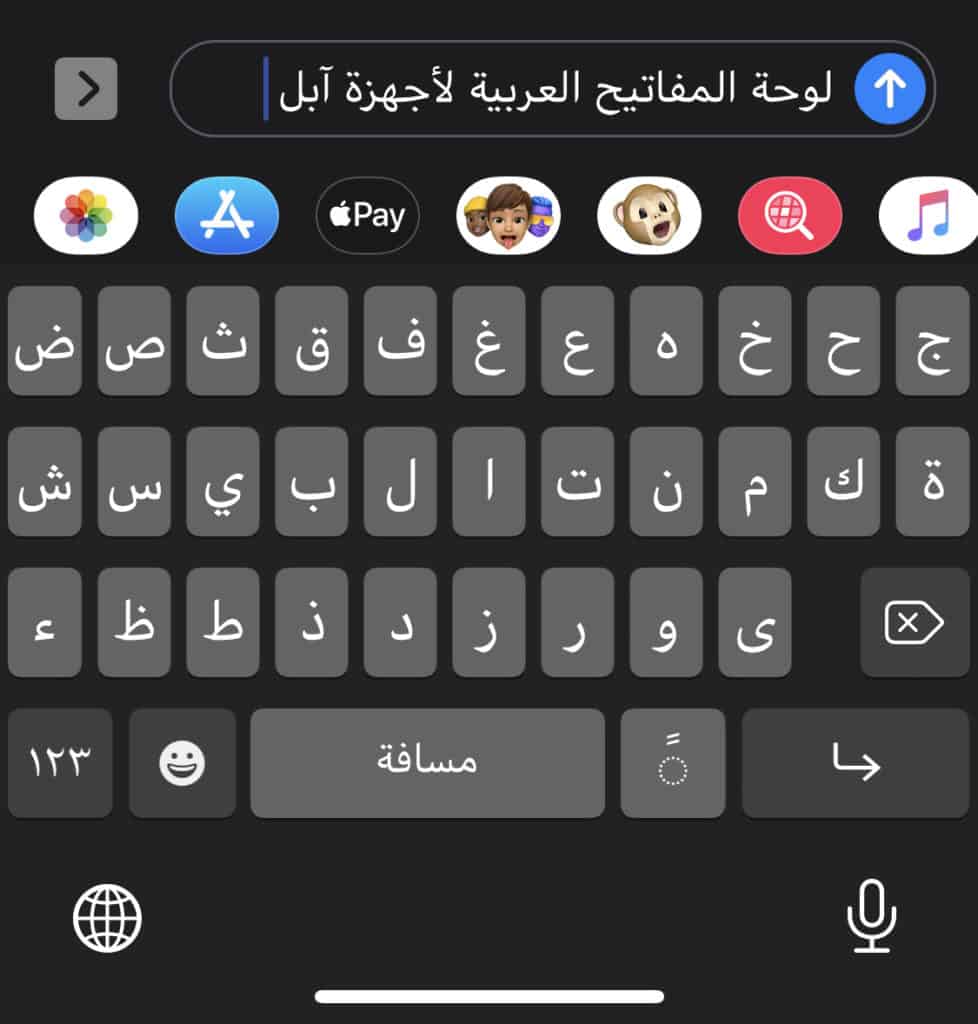
Before diving into the complexities of Lesson 8, it is crucial to assess your foundational knowledge. Arabic is a diglossic language, meaning there is a difference between Modern Standard Arabic (MSA) and various spoken dialects. Most formal lessons focus on MSA, known as Fusha. By this stage, you should feel comfortable with the Arabic alphabet, known as the Abjad. You should be able to recognize the 28 letters and understand how their shape changes depending on their position in a word (initial, medial, or final).
Additionally, a basic grasp of pronunciation is essential. Arabic contains sounds that do not exist in English, such as the emphatic ص (Sad) or the guttural ع (Ayn). If you have mastered the alphabet and basic greetings like مرحبا (Marhaban) meaning «Hello,» you are ready to tackle the grammatical structures that allow you to form complete thoughts rather than isolated words.
Deep Dive into Arabic Grammar
Grammar is the skeleton of any language, and Arabic grammar, or Nahw, is particularly logical yet detailed. In this stage of learning, often covered around Lesson 8 in comprehensive courses, the focus shifts from noun identification to sentence structure.
Understanding Sentence Types
Arabic sentences generally fall into two categories. The first is the Nominal Sentence, or Jumla Ismiya. This type of sentence begins with a noun and typically consists of a subject (Mubtada) and a predicate (Khabar). For example, الولد طويل (Al-walad tawil) translates to «The boy is tall.» Notice there is no verb for «is» in the present tense; the relationship is implied.
The second type is the Verbal Sentence, or Jumla Fiʼliya. This begins with a verb, followed by the subject and then the object. An example would be يكتب الولد الدرس (Yaktubu al-walad al-dars), meaning «The boy writes the lesson.» Understanding the difference between these two structures is vital for constructing accurate sentences and avoiding common beginner mistakes.
Introduction to Verb Conjugation
Around this milestone, students are introduced to the present tense verb conjugations. Arabic verbs change based on who is performing the action. You will learn prefixes and suffixes that indicate person, gender, and number. For instance, the root ك-ت-ب (K-T-B) relates to writing. Adding different markers changes the meaning from «I write» to «we write» or «they write.» Mastering these patterns early will accelerate your ability to express daily activities and routines.
Mastering Arabic Writing and Orthography
Writing in Arabic is an art form. While Lesson 8 may not make you a calligrapher, it should solidify your ability to write legibly and correctly. A common challenge at this stage is the use of vowel marks, known as Tashkeel or Harakat.
The Role of Vowel Marks
In beginner texts, you will see small symbols above and below letters indicating short vowels: Fatha (a), Kasra (i), and Damma (u). These are crucial for pronunciation and grammatical case endings. However, most adult literature and news media are written without these marks, relying on the reader’s knowledge of grammar to deduce the correct pronunciation. In this lesson, practice reading texts with Tashkeel to build confidence, but also begin exposing yourself to unvoweled text to prepare for real-world reading.
Connecting Letters and Flow
Arabic is cursive by nature. Most letters connect to their neighbors, which changes their shape. A frequent error students make is writing letters in isolation within a word. Practice writing common words repeatedly to muscle memory the connections. For example, the word مدرسة (Madrasa) meaning «school» requires smooth connections between the Meem, Dal, Ra, Sin, and Ta Marbuta. Pay attention to the baseline; Arabic writing flows along an invisible line, and maintaining consistent height and spacing is key to legibility.
Immersing Yourself in Arabic Culture and Customs
Language cannot be separated from culture. To truly master Arabic, you must understand the social context in which the language is used. The Arab world spans over 20 countries, from Morocco in the west to Oman in the east. While MSA unites them, customs can vary.
The Concept of Hospitality
One universal value across the Arab world is Diyafa, or hospitality. If you visit an Arab home, you will likely be offered coffee or tea repeatedly. Refusing initially is often part of the polite dance, but accepting eventually shows respect. Learning phrases related to gratitude, such as جزاك الله خيرا (Jazak Allah Khairan) meaning «May God reward you with goodness,» is essential during this phase of learning. It shows cultural awareness beyond mere vocabulary.
Religious and Social Celebrations
Understanding the Islamic calendar and major holidays like Ramadan and Eid provides context for many Arabic expressions. During Ramadan, the greeting رمضان كريم (Ramadan Kareem) is ubiquitous. Similarly, knowing how to congratulate someone on an achievement or a wedding using appropriate formal language enhances your social integration. Lesson 8 should encourage you to research the specific customs of the region whose dialect or culture you are most interested in, whether it be the Levant, Egypt, or the Gulf.
Reviewing Your Progress
At the conclusion of this module, self-assessment is vital. You should be able to look back and confirm specific competencies. Do not rush forward if the foundation feels shaky. Review the following checklist to ensure you are ready for advanced topics:
- Grammar: Can you distinguish between a nominal and verbal sentence?
- Vocabulary: Do you know at least 100 common nouns and 20 essential verbs?
- Writing: Can you write a short paragraph about yourself without relying on transliteration?
- Culture: Can you navigate a basic social interaction with appropriate greetings and politeness?
If you answered «yes» to most of these, you have successfully mastered the content typical of Lesson 8. If not, revisit the sections above. Language learning is not a race; it is a marathon.
Practical Strategies for Practice
Knowledge without practice is like a book without pages. Once you have studied the material, you must activate it. Passive learning, such as watching videos, is helpful, but active production is where growth happens.
Speaking and Listening
Find a language partner or use language exchange apps. Try to describe your day using the new verb conjugations you have learned. Record yourself speaking and listen back to identify pronunciation errors. Listening to Arabic podcasts designed for learners can also help tune your ear to the rhythm of the language. Focus on content that matches your level; listening to native news broadcasts might be too fast, but slowed-down educational audio is perfect.
Reading and Writing Journals
Start a daily journal in Arabic. It does not need to be long. Write three sentences about what you ate, where you went, or how you felt. This forces you to recall vocabulary and apply grammar rules actively. Additionally, try reading children’s books or graded readers. These materials are designed to use high-frequency vocabulary in context, reinforcing what you have learned in Lesson 8 without overwhelming you.
Conclusion: Your Journey Continues
Arabic Lesson 8 is more than just a chapter in a textbook; it is a milestone that marks your transition from a novice to a serious student of the language. You have moved beyond the alphabet and into the realm of structure, meaning, and culture. The grammar concepts of Jumla Ismiya and Jumla Fiʼliya, the nuances of writing with proper connection, and the deep respect for cultural customs like Diyafa are tools that will serve you for a lifetime.
Remember, every fluent speaker was once a beginner struggling with letter connections and verb tables. Be patient with yourself. Celebrate small victories, such as understanding a song lyric or reading a street sign. At Arabic Goals, we are committed to supporting you every step of the way. Keep practicing, stay curious, and let the beauty of the Arabic language unfold before you. Your journey to mastering the language of the Middle East is just beginning, and the rewards of bilingualism and cultural connection are waiting for you.