
Introduction to the Gulf Arabic Journey
Welcome to the beginning of a transformative linguistic journey. Learning Gulf Arabic, often referred to as Khaleeji, is an incredibly rewarding experience that opens doors to one of the most dynamic regions in the world. It is a language that is rich in culture, history, and literature, serving as a vital key to communicating with people from the Gulf Cooperation Council (GCC) states. Whether your motivation is business, travel, or personal connection, understanding this dialect allows you to appreciate the culture of the region on a profound level. There are a number of different ways to go about learning Gulf Arabic, and each has its own advantages and disadvantages. This guide will serve as your compass, navigating you through the complexities and joys of acquiring this beautiful dialect.
Understanding the Khaleeji Dialect Landscape
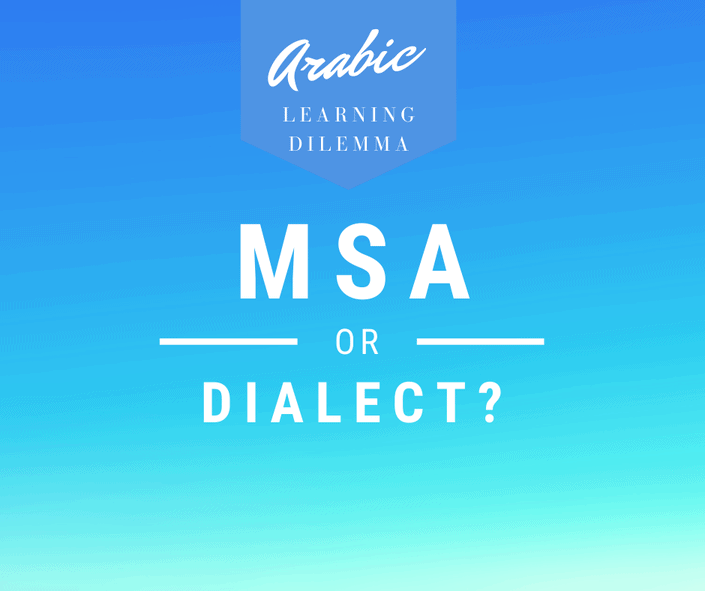
Before diving into study methods, it is crucial to understand what Gulf Arabic actually is. Unlike Modern Standard Arabic (MSA), which is used in formal writing and news across the Arab world, Gulf Arabic is a spoken vernacular. It is the daily language of life in Saudi Arabia, Kuwait, the United Arab Emirates, Qatar, Bahrain, and Oman.
Geographical Scope and Variations
While often grouped together, there are subtle variations between the dialects of Saudi Arabia, Kuwait, UAE, Qatar, Bahrain, and Oman. For instance, the Bedouin influence is stronger in certain rural areas, while urban centers like Dubai or Doha may incorporate more loanwords from English, Hindi, or Urdu due to their expatriate populations. However, the core mutual intelligibility remains high. When you learn اللهجة الخليجية (Al-Lahja Al-Khaleejiya), you are acquiring a skill set that is usable across borders, making it a highly efficient investment of your time.
Linguistic Characteristics
One of the most distinct features of Gulf Arabic is its phonetics. A hallmark of the dialect is the pronunciation of the letter Qaf (ق). In MSA, this is a deep throat sound, but in Gulf Arabic, it is often pronounced as a Gaf (گ), sounding like the English ‘g’ in ‘go’. For example, the word for ‘coffee’ is Qahwa in MSA, but in Gulf Arabic, it is commonly pronounced as Gahwa. This shift is immediate and recognizable. Additionally, the dialect tends to be softer and more melodic than some other Arabic dialects, reflecting the hospitable nature of the Gulf people.
Proven Learning Strategies for Success
There is no single path to fluency. The best approach depends on your learning style, budget, and timeline. Below, we analyze the four primary methodologies for mastering Gulf Arabic.
1. Taking Structured Classes
One of the most popular and effective ways to learn Gulf Arabic is by taking classes. There are many different classes available, ranging from beginner to advanced levels. Classes can be taken in person at language institutes within the Gulf region or online via specialized tutoring platforms.
- Advantages: Taking classes provides a structured approach to learning the language. It ensures you cover grammar systematically rather than picking up fragmented phrases. It also allows you to interact with other students and receive immediate feedback from an instructor who can correct your pronunciation in real-time.
- Disadvantages: Classes can be expensive and time-consuming. They require a fixed schedule, which may not suit everyone. Furthermore, not all Arabic courses focus on the Gulf dialect; many still prioritize MSA, so you must vet the curriculum carefully.
- Pro Tip: Look for tutors who specialize specifically in Khaleeji. Ask them about their experience with the specific country you are interested in, such as Saudi or Emirati Arabic.
2. The Self-Study Route
Another popular way to learn Gulf Arabic is through self-study. This involves using books, websites, podcasts, and other resources to learn the language on your own. This method is ideal for independent learners who possess high discipline.
- Advantages: Self-study allows you to learn at your own pace and in your own time. It also allows you to tailor your learning to your own needs and interests. If you are interested in business vocabulary, you can focus solely on that without being held back by a general curriculum.
- Disadvantages: It can be difficult to stay motivated without external accountability. It can also be difficult to find good quality resources, as many textbooks focus on MSA or Egyptian Arabic. Without a teacher, you risk fossilizing bad pronunciation habits.
- Pro Tip: Create a strict schedule. Dedicate at least 30 minutes every day to study. Use audio resources heavily to mimic native speakers since you do not have a teacher to correct you.
3. Total Immersion
Immersion is widely considered the gold standard for language acquisition. This involves spending time in the Gulf region and immersing yourself in the language and culture. This is a great way to learn the language quickly and effectively, as it allows you to learn from native speakers and to experience the culture firsthand.
- Advantages: You are forced to use the language for survival and social interaction. You learn slang, cultural norms, and body language that cannot be taught in a classroom. Your listening skills will improve rapidly.
- Disadvantages: It can be expensive and time-consuming. Relocating or traveling for an extended period is not feasible for everyone. Additionally, in highly expatriate-heavy cities, you might find people switching to English when they detect you are a learner.
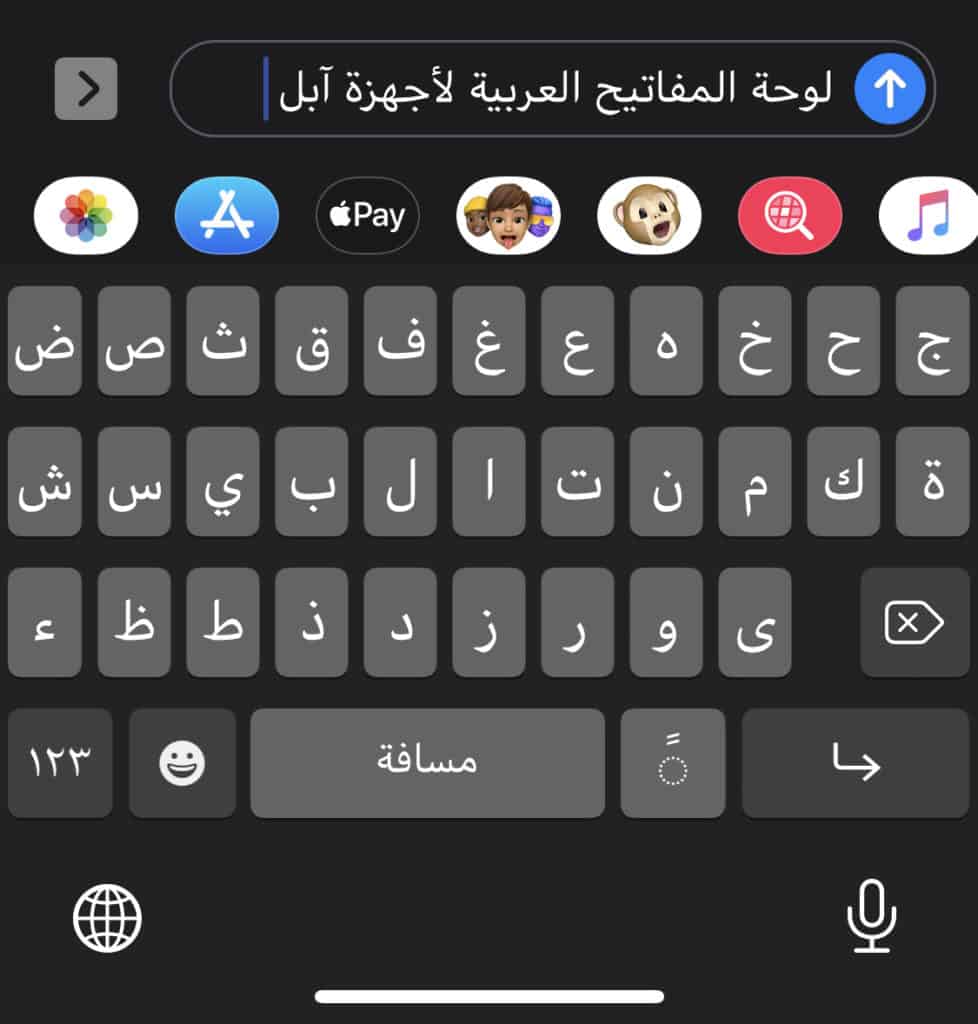
- Pro Tip: If you cannot travel, create a virtual immersion environment. Change your phone language to Arabic, listen to Gulf radio stations, and watch Khaleeji TV dramas daily.
4. Apps and Online Resources
In recent years, there have been a number of apps and online resources developed to help people learn Gulf Arabic. These resources can be a great way to learn the language quickly and easily. They often provide interactive exercises and games to help with learning, as well as audio and video recordings of native speakers.
- Advantages: Gamification makes learning fun and addictive. You can practice vocabulary on the go during your commute. Many apps offer speech recognition to help with pronunciation.
- Disadvantages: These resources can be expensive via subscription models and may not be as comprehensive as other methods. They often lack context and cultural nuance, teaching you phrases that might sound robotic in real conversation.
- Pro Tip: Use apps as a supplement, not a primary source. They are excellent for vocabulary drilling but poor for teaching conversational flow.
Key Linguistic Focus Areas
To achieve proficiency, you must focus on specific linguistic elements that define Gulf Arabic. Ignoring these will result in a generic Arabic that may not be well understood in the Gulf.
Pronunciation Nuances
As mentioned earlier, the Gaf (گ) sound is essential. Another key sound is the Ch sound, which appears in words borrowed from Persian or used in specific contexts. For example, the word Chai (tea) is commonly used. Pay attention to vowel lengths; stretching a vowel can change the meaning of a word entirely. Listening to poetry is an excellent way to train your ear to these subtle differences, as poetry holds a prestigious place in Gulf culture.
Essential Vocabulary and Greetings
Building a core vocabulary is your first step. Start with greetings, as hospitality is central to Gulf culture. Instead of the standard Marhaba, you might hear Hayaak Allah (May God keep you) or Bo Haya. When someone says Shlonak? (How are you?), a common response is Bikher (Good) or Alhamdulillah (Praise God). Learning these social scripts is just as important as grammar. Another vital word is Yalla, used to mean ‘let’s go’ or ‘hurry up’, which you will hear constantly in daily life.
Cultural Competence and Etiquette
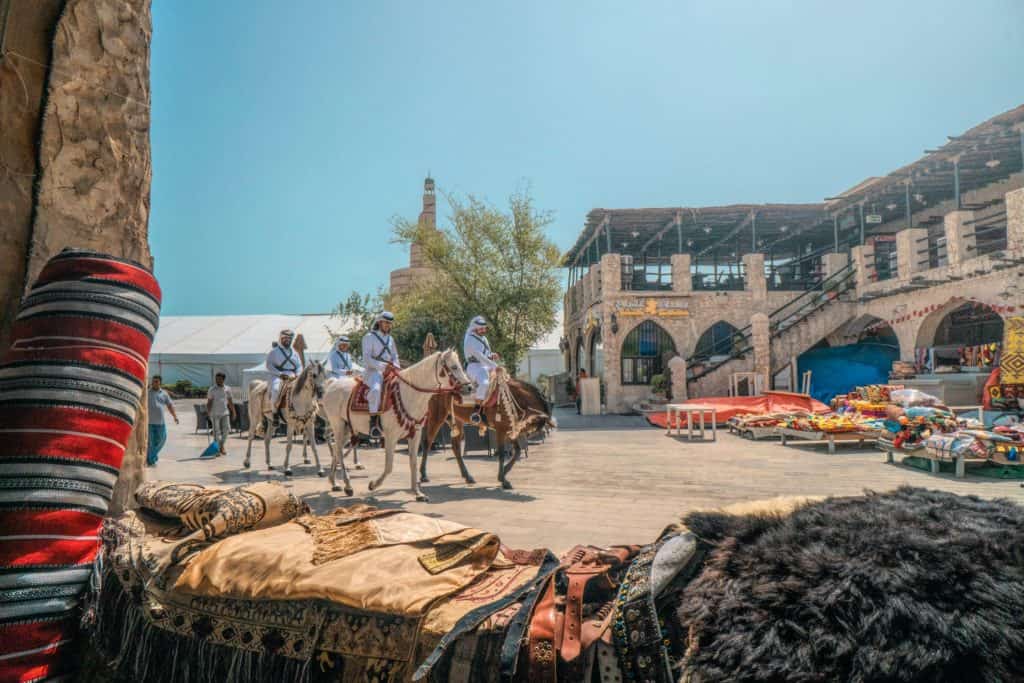
Language cannot be separated from culture. To speak Gulf Arabic well, you must understand the social context in which it is used. The concept of the Majlis is central to social life. This is a gathering place where men sit on cushions, drink Gahwa (Arabic coffee), and discuss affairs. Understanding the etiquette of the Majlis, such as how to accept coffee (shake your cup slightly if you do not want more), will earn you respect.
Furthermore, respect for elders and hierarchy is embedded in the language. There are specific honorifics used when addressing older individuals or people of high status. Using the correct titles shows that you are not just learning words, but you are respecting the social fabric of the region. Business interactions also rely heavily on relationship building. Small talk is not a waste of time; it is a necessary precursor to any serious discussion. Learning how to ask about family and health in Arabic will smooth your professional path significantly.
Your Roadmap to Fluency
How do you put this all together? Here is a suggested roadmap for the aspiring learner.
- Months 1-3: Focus on pronunciation and basic greetings. Use apps for vocabulary drilling. Find a tutor for one hour a week to correct your sounds.
- Months 4-6: Begin consuming media. Watch Khaleeji YouTube channels or TV shows. Start forming simple sentences about your day. Increase tutoring to twice a week.
- Months 6-12: Engage in conversation practice. Join language exchange groups. Try to think in Arabic. Focus on specific topics relevant to your goals, such as business or travel.
- Year 1+: Maintain immersion. Read news in Arabic dialect if available, or listen to podcasts. Consider traveling to the region to test your skills in the wild.
Conclusion
Learning Gulf Arabic is an incredibly rewarding experience. It is a language that is rich in culture, history, and literature, and it is a great way to communicate with people from the Gulf region. There are a number of different ways to go about learning Gulf Arabic, and each has its own advantages and disadvantages. No matter which method you choose, the important thing is to stay motivated and to practice regularly. With dedication and effort, you can learn Gulf Arabic and become a proficient speaker of the language. Remember, every word you learn is a bridge to a new connection. Start today, stay consistent, and let your Arabic goals become your reality.