
Introduction: Embarking on Your Arabic Journey in the Emirates
Welcome to the United Arab Emirates, a land where modern skyscrapers meet ancient traditions, and where the call to prayer echoes alongside the buzz of global commerce. For expatriates and residents alike, living in the UAE offers a unique opportunity to engage with one of the world’s most rich and historical languages. Learning the Arabic language is not merely an academic exercise; it is a bridge to understanding the heart of Emirati culture. While English is widely spoken in business hubs like Dubai and Abu Dhabi, true integration and deep connection come through speaking the local tongue.
In this comprehensive guide, we will explore the nuanced landscape of learning Arabic within the UAE. We will move beyond basic tips to provide you with a strategic roadmap for achieving fluency. Whether you are a beginner taking your first steps or an intermediate learner looking to refine your skills, this article is designed to empower you with the knowledge and confidence to reach your Arabic goals.
Understanding the Linguistic Landscape: MSA vs. Gulf Arabic
Before you enroll in a course or download an app, it is crucial to understand the diglossic nature of the Arabic language. Unlike many European languages, Arabic exists in two primary forms that serve different functions in society.
Modern Standard Arabic (MSA)
Known as Al-Fusha, Modern Standard Arabic is the formal language used in news broadcasts, official government documents, literature, and formal speeches. It is consistent across the Arab world. If your goal is to read contracts, understand news media, or work in formal diplomatic sectors, MSA is essential. However, it is rarely spoken in casual daily interactions on the streets of Sharjah or Dubai.
Gulf Arabic (Khaleeji)
The language of the home, the majlis, and the marketplace is the local dialect. In the UAE, this is specifically Emirati Arabic, which falls under the broader umbrella of Gulf Arabic or Khaleeji. This dialect is softer and distinct from the Levantine or Egyptian dialects you might hear in other parts of the Middle East. For daily life, making friends, and navigating social situations, prioritizing Khaleeji will yield faster and more practical results. A successful learner often studies MSA for literacy while practicing Khaleeji for conversation.
Why Invest in Learning Arabic in the UAE?
You might wonder if learning Arabic is necessary given the international nature of the UAE. The answer lies in the depth of experience you wish to have. Here is why committing to this language is a transformative decision.
Cultural Respect and Integration
The Emirati people are known for their immense hospitality. When you make the effort to speak their language, even imperfectly, it is viewed as a sign of profound respect. Simple greetings like السلام عليكم (As-salamu alaykum) open doors that remain closed to others. It signals that you are not just passing through, but that you value the host culture. This goodwill can transform transactional relationships into genuine friendships.
Professional Advancement
While many multinational companies operate in English, the government sector and local enterprises prioritize Arabic speakers. Having Arabic proficiency on your CV distinguishes you from the vast expatriate pool. It demonstrates cultural intelligence and adaptability, traits highly valued by employers looking for long-term leadership candidates within the region.
Navigating Daily Life with Confidence
From reading menu items in traditional restaurants to understanding directions from taxi drivers, Arabic proficiency grants you autonomy. It reduces reliance on translation apps and allows you to negotiate in souqs, understand utility bills, and engage with community services without barriers. This independence fosters a deeper sense of belonging and makes the UAE feel more like home.
Strategic Pathways to Learning Arabic
There is no single “best” way to learn; rather, the best approach is a hybrid model that combines structured study with real-world application. Let us examine the most effective avenues available to residents in the UAE.
Enrolling in Accredited Language Centers
The UAE hosts several prestigious language institutes affiliated with universities and cultural foundations. These centers offer structured curriculums that range from beginner to advanced levels. The advantage of formal education is accountability. You have a schedule, homework, and a certified instructor who can correct your grammar and pronunciation in real-time. Look for centers that offer specific modules on Emirati dialect if your focus is conversational.
Private Tutoring for Personalized Growth
If your schedule is irregular, a private tutor may be the superior option. Platforms connecting students with native speakers have grown in popularity. A native Emirati tutor can teach you the cultural context behind words, explaining not just what to say, but when to say it. They can tailor lessons to your specific interests, whether that is business Arabic, social greetings, or religious terminology.
The Power of Self-Study and Technology
Technology has democratized language learning. Apps can help you build vocabulary during your commute on the Metro. However, treat these tools as supplements, not replacements. Use them to reinforce what you learn in class. Listen to Arabic podcasts designed for learners, watch local TV channels, and follow Emirati influencers on social media to hear the rhythm of the language in a modern context.
Immersion Techniques: Turning the City into Your Classroom
The UAE is an immersive environment if you choose to make it so. Many expats live in an “expat bubble,” interacting only with other non-Arabic speakers. To learn effectively, you must step out of this comfort zone.
Frequent Traditional Markets and Cafes
Visit the old souqs in Deira or the traditional markets in Abu Dhabi. These are spaces where Arabic is the primary medium of exchange. Practice counting, asking for prices, and thanking vendors. Order your coffee in Arabic at a local gahwa house. The low-stakes environment of a market is perfect for practicing without fear of judgment.
Find a Language Exchange Partner
Language exchange is a mutually beneficial arrangement. You might find an Emirati who wants to improve their English. Meet for coffee once a week and dedicate thirty minutes to each language. This builds friendship alongside fluency. It provides a safe space to make mistakes and ask questions about slang or idioms that textbooks do not cover.
Engage with the Community
Attend cultural festivals, national day celebrations, and community events. Listen to the speeches and conversations around you. Try to pick out words you recognize. Active listening is a critical skill. Even if you do not speak much initially, training your ear to the Gulf accent is a vital step toward comprehension.
Essential Tips for Sustained Success
Learning a language is a marathon, not a sprint. Consistency is the key factor that separates successful learners from those who give up. Here are strategic tips to maintain your momentum.
Prioritize Listening and Speaking
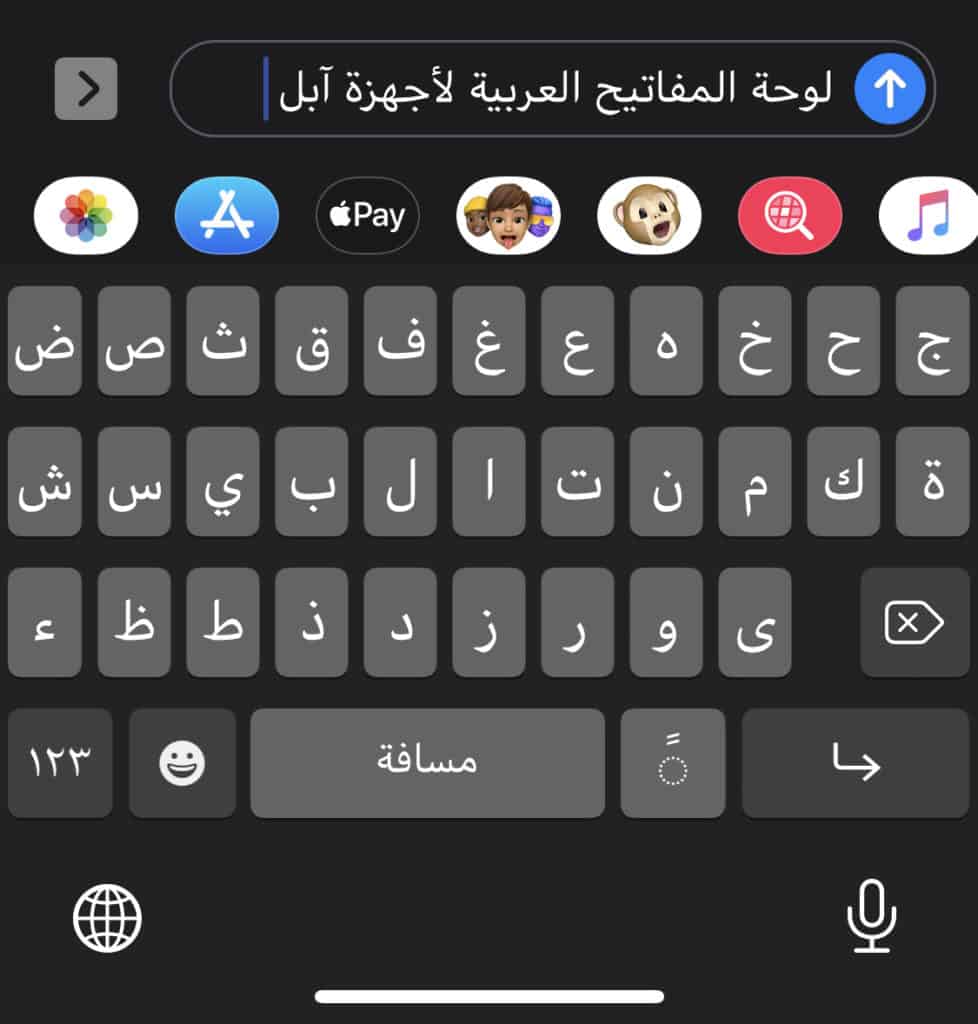
Many students focus heavily on reading and writing. While literacy is important, communication is the primary goal of language. Prioritize listening to native speakers to master pronunciation and intonation. Arabic contains sounds that do not exist in English, such as the emphatic ض (Dad) or the guttural ع (Ayn). Mimicking native speakers is the fastest way to master these phonemes. Speak from day one, even if you only know a few words.
Embrace Mistakes as Learning Tools
Fear of making mistakes is the biggest barrier to fluency. In Emirati culture, people are generally very encouraging of foreigners trying to speak their language. They will appreciate the effort. If you misuse a word, laugh it off and ask for the correct term. Every error is a lesson learned. Do not let perfectionism paralyze your progress.
Create a Daily Routine
Consistency beats intensity. Studying for fifteen minutes every day is more effective than studying for five hours once a week. Integrate Arabic into your daily life. Change your phone’s language settings, label items in your house with sticky notes, or listen to Arabic news while preparing breakfast. Make the language a presence in your environment.
Understand Cultural Context
Language is inseparable from culture. Learn about Islamic traditions, local customs, and social etiquette. Understanding why certain phrases are used in specific contexts will help you remember them. For example, knowing the appropriate greetings for different times of day or religious occasions adds depth to your vocabulary and shows cultural sensitivity.
Conclusion: Your Path to Fluency Starts Today
Learning Arabic in the UAE is a rewarding journey that offers profound personal and professional benefits. It is an investment in yourself that pays dividends in the form of deeper relationships, greater opportunities, and a richer understanding of the region. By combining structured learning with immersive practices and maintaining a consistent, positive mindset, you can achieve fluency. Remember, every expert was once a beginner. Embrace the challenge, respect the culture, and enjoy the process of unlocking the beauty of the Arabic language. The UAE is waiting to welcome you not just as a resident, but as a connected member of the community.