Welcome to Arabic Goals, where your journey to fluency begins with structure and passion. Many students ask where to start when facing the rich complexity of the Arabic language. The answer lies in a systematic approach. We have developed what we call the 07 Framework, a comprehensive guide based on seven essential pillars of language acquisition. This method is designed to take you from absolute beginner to confident speaker by focusing on consistency, strategy, and cultural immersion.
Why You Need a Structured Plan Like the 07 Framework
Learning Arabic is not merely about memorizing words; it is about unlocking a new way of thinking. Without a roadmap, learners often feel overwhelmed by the script, the grammar, and the dialectal variations. The 07 Framework simplifies this process. It breaks down the monumental task of learning Arabic into seven manageable, actionable steps. By following this guide, you avoid common pitfalls and ensure that every hour you study contributes directly to your long-term goals.
Step 1: Define Your Arabic Goal and Dialect
The first step in the 07 Framework is clarity. Arabic is a diglossic language, meaning there is a difference between Modern Standard Arabic (MSA) and spoken dialects. Before you write your first letter, you must decide why you are learning. Are you interested in reading classical literature and news? Then Modern Standard Arabic, or Fusha, is your path. Do you want to connect with people in Cairo, Beirut, or Riyadh? Then you should focus on a specific dialect like Egyptian, Levantine, or Gulf Arabic.
Choosing early prevents confusion later. Many students waste months mixing dialects without realizing it. Commit to one path initially. You can always expand later, but a focused start ensures faster progress. Write down your specific goal, such as I want to hold a five-minute conversation in Egyptian Arabic within six months. This specificity fuels your motivation.
Step 2: Master the Arabic Script and Pronunciation
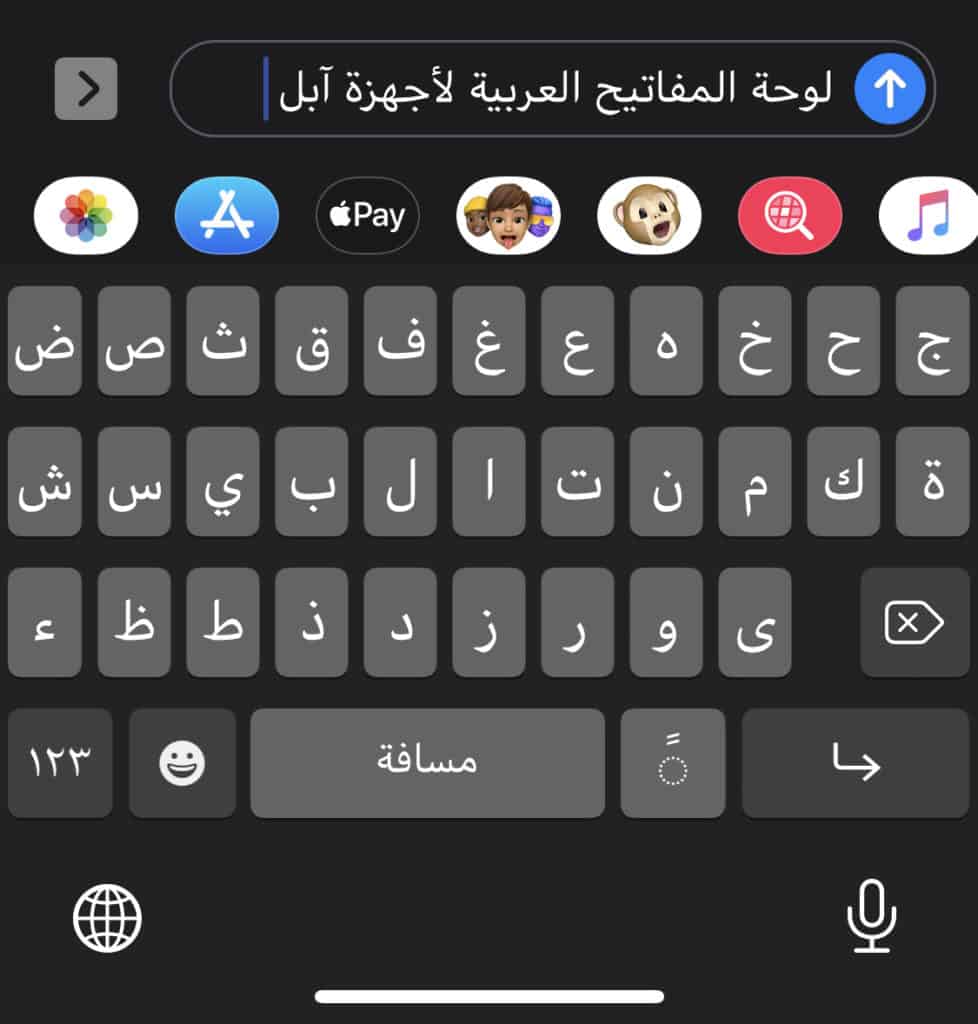
You cannot build a house without a foundation. In Arabic, the foundation is the script. Unlike Latin scripts, Arabic is written from right to left and letters change shape depending on their position in a word. Do not rely on transliteration (writing Arabic sounds with English letters). It limits your potential and hurts your pronunciation.
Focus on the Abjad system. There are 28 letters in the Arabic alphabet. Spend the first few weeks solely on recognizing letters and their sounds. Pay special attention to emphatic consonants and guttural sounds that do not exist in English, such as the letter ع (Ayn) or ح (Ha). These sounds define the authentic accent of the language. Use mirror exercises to watch your mouth shape. Accurate pronunciation early on saves you from correcting bad habits years later.
Step 3: Build a Core Vocabulary Foundation
Once you can read, you must speak. However, you do not need to know every word in the dictionary. Linguists suggest that knowing the most frequent 1000 words allows you to understand about 80 percent of daily conversation. In the 07 Framework, we prioritize high-frequency vocabulary. Start with pronouns, common verbs, and essential nouns.
For example, learn words like كتاب (kitab) meaning book, قلم (qalam) meaning pen, and باب (bab) meaning door. These concrete nouns are easy to visualize. Combine them with verbs like كتب (kataba) meaning he wrote. Use flashcards and spaced repetition systems (SRS) to retain this information. Consistency is key here; learning ten words a day is better than learning seventy words once a week.
Step 4: Understand the Root System
This is the secret weapon of Arabic learners. Arabic is a root-based language. Most words are derived from a three-letter root that carries a core meaning. For instance, the root ك – ت – ب (K-T-B) relates to writing. From this single root, you get كاتب (katib) meaning writer, مكتب (maktab) meaning office or desk, and مكتبة (maktaba) meaning library.
Understanding this system exponentially increases your vocabulary without extra memorization. When you encounter a new word, look for its root. This analytical approach engages your brain differently than rote memorization. It helps you guess the meaning of unknown words and deepens your appreciation of the language’s logic. Dedicate time each week to study common roots and their patterns.
Step 5: Immerse Yourself Daily
Language lives in context. You cannot learn to swim by reading a book about water; you must get in the pool. Similarly, you must surround yourself with Arabic. In the modern age, immersion is accessible regardless of where you live. Change the language settings on your phone to Arabic. Listen to Arabic podcasts during your commute. Watch Arabic series with subtitles.
Passive immersion is valuable, but active immersion is better. Try to label items in your house with their Arabic names. Narrate your day in simple Arabic sentences. If you are making coffee, say أنا أشرب القهوة (I am drinking coffee). This creates neural pathways that associate actions directly with Arabic words, bypassing translation in your head. The goal is to make Arabic a part of your daily life, not just a subject you study for an hour.
Step 6: Practice Speaking from Day One
Many students wait until they feel ready to speak. This is a mistake. You will never feel fully ready. Speaking is a muscle that must be exercised. From the first week, start producing sounds. Even if you only know greetings, use them. Find a language partner, a tutor, or even talk to yourself.
Do not fear mistakes. Mistakes are data. They tell you what you need to improve. If you say something incorrectly and a native speaker corrects you, that correction sticks in your memory far longer than a rule in a textbook. Focus on communication over perfection. If you can convey your message, you are succeeding. As you progress, refine your grammar, but never let the fear of grammar stop your flow of speech.
Step 7: Consistency and Community
The final step of the 07 Framework is sustainability. The biggest enemy of language learning is burnout. Studying for five hours on Sunday and zero hours during the week is less effective than studying thirty minutes every day. Create a routine that fits your life. Protect this time as you would a important meeting.
Furthermore, join a community. Learning alone can be isolating. Connect with other students on forums, social media groups, or local meetups. Sharing struggles and successes keeps you accountable. At Arabic Goals, we believe that community accelerates growth. When you see others progressing, it inspires you to keep going. Celebrate small victories, like understanding a song lyric or ordering food in Arabic. These moments fuel your long-term journey.
Conclusion: Your Journey Starts Now
The 07 Framework is more than a list; it is a mindset. Learning Arabic is a marathon, not a sprint. There will be days when the grammar feels impossible and the words slip away. But remember why you started. Whether for faith, career, travel, or love of culture, your goal is worthy. By following these seven steps, you are not just learning a language; you are gaining a new perspective on the world.
Start today. Pick one step from this guide and implement it immediately. Download an app, buy a notebook, or find a partner. The Arabic language is waiting for you, rich with history and beauty. With dedication and the right strategy, fluency is not a dream; it is an achievable reality. Welcome to the family of Arabic speakers.