
If you are reading this, you are likely standing at the threshold of a magnificent journey. Whether you are thinking about learning Arabic, have just started your first lesson, or are seeking to refine your approach, know that you are embarking on one of the most rewarding endeavors possible. Learning a foreign language opens doors to new cultures, histories, and ways of thinking. However, when that language is Arabic, the fulfillment is even profound. Arabic is not merely a tool for communication; it is a key to unlocking the rich heritage of the Arab world, from the poetry of the pre-Islamic era to the dynamic modern media of today.
At this initial stage, the sheer volume of information can be overwhelming. The need for reliable resources, clear guidance, and accurate information regarding Arabic and its various dialects is a top priority. As an instructor who has guided countless adults through the intricacies of Arabic proficiency testing and language acquisition, I am deeply aware of the struggles learners face. Choosing the right path, finding quality resources, and staying informed without getting lost in technicalities are common hurdles. Therefore, I have crafted this comprehensive guide to serve as your compass. My goal is to share essential resources and strategic pointers that will save you time, effort, and frustration as you learn this beautiful language.
The Linguistic Landscape: Know Your Arabic
The Arabic language, much like the vast and diverse Arab world where it is spoken, is rich in history and variation. Before you embark on your learning journey, it is extremely useful to learn the basics about Arabic and the Arab people. Gaining a fundamental understanding of the region’s history, people, and linguistic landscape will give you a clearer idea of whether this is the right language for your specific goals. Context is key to maintaining motivation over the long haul.
For anyone who wants to gain a basic and practical understanding of the Arab people, the native speakers of Arabic, I highly recommend reading Understanding Arabs. This book provides cultural context that is often missing from standard language textbooks, helping you understand not just the words, but the people who speak them.
Understanding Diglossia: MSA vs. Dialects
From the outside, Arabic might sound like a single language used uniformly across twenty-two countries. However, a closer look reveals a complex linguistic phenomenon known as diglossia. There are various Arabic dialects spoken across the Arab world, and each country often has its own unique variation. The dialect is what people use in their daily interactions at home, at work, and in casual social settings. These various dialects are not always mutually intelligible; a speaker from Morocco might struggle to understand a speaker from Iraq without prior exposure.
So, how do Arabs from different countries communicate with each other? This is where Modern Standard Arabic (MSA) comes in. MSA is the common language among these countries and is used in official communications, newscasts, books, newspapers, and formal speeches. It is then important to understand these differences before you decide whether you want to learn MSA or a specific dialect. It is equally important to understand that there is no right or wrong answer. It will all depend on what you personally want or need to learn. If your goal is to read literature or watch the news, MSA is essential. If your goal is to make friends in Cairo or Beirut, a dialect is priority.
Strategic Goal Setting for Language Learners
Identifying what form of Arabic you want to learn will determine the modality or modalities you will need to master. For instance, learning Modern Standard Arabic (MSA) requires the skills of reading Arabic at the very least. You may need to learn how to write it as well, depending on whether you need MSA for academic research, professional correspondence, or religious study.
If you need to learn Arabic just to verbally communicate with Arabs in an informal setting, you may need to learn just the dialect, which is largely an oral medium. In this case, you may want to explore platforms like iTalki to see if it is the right fit for you. Most likely, it will meet all your speaking needs by connecting you with native tutors. You can also explore digital learning tools to supplement your practice. Consistency beats intensity when learning a complex language like Arabic.
Set Your Own Baby-Step Goals
It is important to set realistic and attainable goals or milestones in your learning journey. Based on experience, the best approach is to take baby steps through a slow and steady attitude. Burnout is the enemy of language learning. Just determine what you need to learn or master three months, nine months, or two years from now, and work your way towards it. Do not aim for fluency in a month; aim for mastering the alphabet in a week, or holding a basic conversation in three months.
Resources for the Absolute Beginner
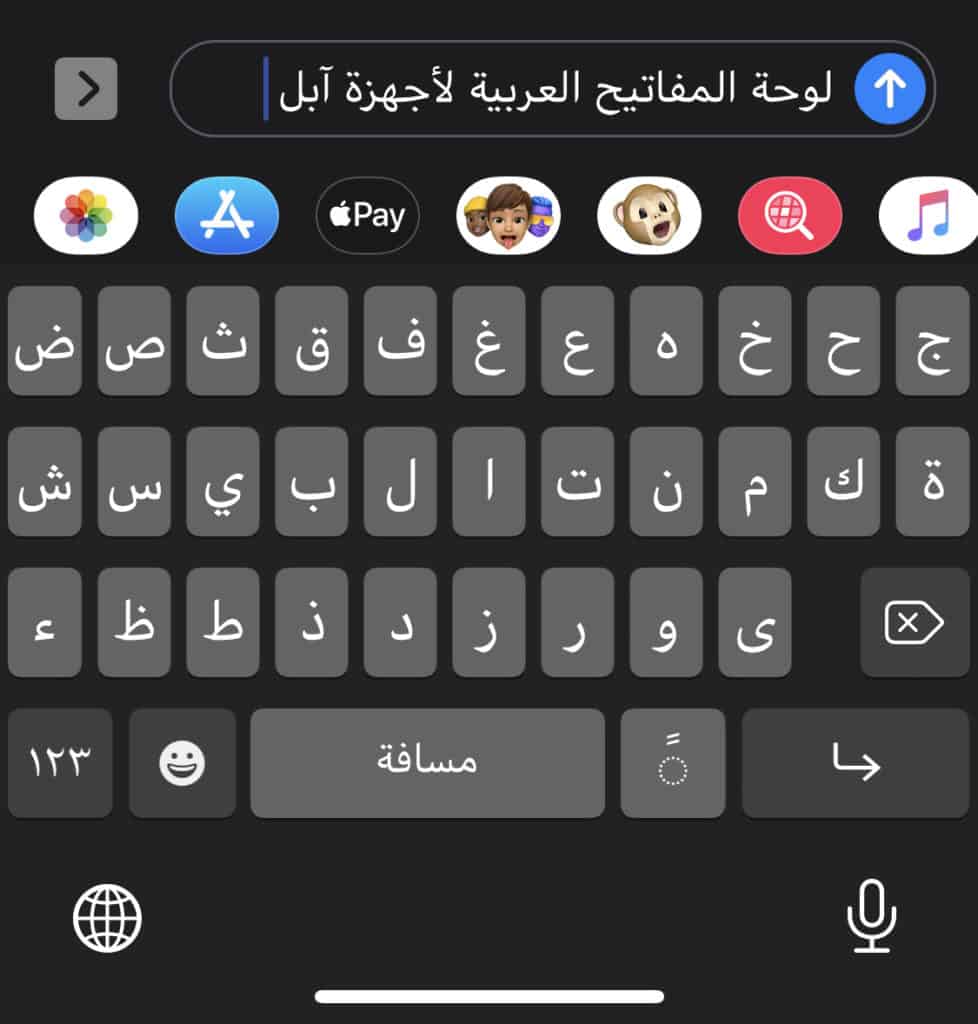
If you are starting from zero, your first milestone is mastering the script. Arabic is written from right to left, and letters change shape depending on their position in a word. These are two widely popular books to learn how to read and write the Arabic letters. You do not need both of them; either one is enough to introduce you to this important foundation.
- The Arabic Alphabet: How to Read and Write It. This book will show you how to write the Arabic letters and offers a good introduction to plenty of vocabulary. You will be able to use it to practice your writing in Arabic. It is concise and focused purely on the script.
- Alif Baa. This book was released by Georgetown University and has been the introductory book of choice for US college students. It is currently in its third edition. You will learn how to read and write Arabic letters and much more. The DVD that comes with it demonstrates how to write each letter depending on its position in the word. It is more comprehensive than the previous option.
Once you become familiar with the Arabic letters, you can follow various YouTube channels for introductory Arabic lessons. These YouTube tutorials can supplement your learning as a beginner even as you study independently or pursue learning in a group setting elsewhere. Visualizing the mouth movements for pronunciation is incredibly helpful at this stage.
Advancing to Intermediate Proficiency
After learning how to read and write Arabic letters, you will need to move on to learning how to read and write small sentences and phrases of Arabic. This is where grammar and vocabulary begin to intertwine.
Recommended Textbooks
There are a good dozen reputable textbooks to use for this stage in your learning. Many of them cover MSA while others teach dialects. If you want a book that teaches MSA and a dialect or two, your best choice would be Al-Kitaab. However, working with two books from the following list would cover most of your learning needs as a beginner.
- Ahlan wa Sahlan: This is another reputable and popular textbook series. Many argue that it is easier to understand than Al-Kitaab. It comes with free access to digital media. It is used in many American universities and focuses heavily on functional communication.
- Al-Kitaab 1 and Al-Kitaab 2: These were made by the same authors of Alif Baa and serve as sequels in learning Arabic vocabulary and grammar. What sets the third edition of this book apart is that it offers MSA, Levantine, and Egyptian all in one book. It comes with access to digital media. This is the most popular Arabic learning book in US colleges, though some find the storyline dated.
- Standard Arabic: Elementary-Intermediate Course: This textbook presents a comprehensive foundation course for beginning students of written and spoken Modern Standard Arabic (MSA). English-speaking students will benefit most from this book because it has been revised several times to meet their needs. It is very grammar-focused.
- Living Language Arabic, Complete Edition: This is a full multimedia course in Modern Standard Arabic that takes the learner from a beginner to an advanced level in one package. It is comprised of 3 textbooks, 9 audio CDs, an Arabic script guide, and a free online learning bilingual edition. It offers great value for self-study.
- Basic and Intermediate Arabic Workbook: This workbook series is great for people who have had some exposure to Arabic, but want concise explanations and useful vocabulary. It is also good for people who are reviewing or re-learning Arabic.
Essential Dictionaries
Although there are various free online Arabic dictionaries that a learner should know about, it is advisable to have at least one hard-copy Arabic-English dictionary that you can keep at home. As you go through the pages and alphabetical order, you will develop a better connection with the Arabic language and Arabic terms. Digital search is fast, but physical browsing aids memory.
Al-Mawrid and Hans Wehr are the best two Arabic-English dictionaries on the market. Hans Wehr is particularly famous for its depth regarding root words. For online resources, Al-Maany is a great online dictionary for MSA, although it could be overwhelmingly hard to navigate for beginners. For MSA and dialects, Lughatuna is a great resource.
Immersion and Input Strategies
It is hard, if not impossible, to improve your Arabic vocabulary without reading plenty of Arabic. However, the biggest challenge many beginning learners face is finding Arabic language materials that have tashkeel or vocalizations. Vocalizations are the short vowel marks that guide pronunciation. Without them, reading can be ambiguous for beginners.
Arabic Reading Resources
If you like to have hard copy books, there are great collections of Arab folk stories written specifically for learners of Arabic. These stories often include full vocalization to aid comprehension. Additionally, platforms like Language Tools offer a searchable database of Arabic reading materials. MATC offers a database of Arabic media text where users can opt to read the passages with harakat (vocalizations) or without. Additional options are available such as glossary common phrases etc.
Arabic Listening Resources
If you would like to develop and improve your Arabic speaking skills, you definitely have to increase your exposure to quality Arabic listening material. Unlike with reading effort, listening can be easier and more convenient for learners of any foreign language. You will likely be able to spend more time listening to the language you want to learn than reading it.
It is therefore important to take advantage of any available resources to speed up your learning pace and train your ear on Arabic input. One of the best and most cost-effective listening resources that is overlooked by many, especially in the over-40 crowd of language students, is Audible. Students of Arabic can explore how to hack Audible for Arabic learning content. They are in for a pleasant surprise.
Podcasts are probably the best platform to listen to authentic Arabic materials. There are lists of the best Arabic podcasts that were handpicked for the quality of the content, the language, and variety for any intermediate learner of Modern Standard Arabic, Levantine, and Gulf dialects. That, combined with a low-cost subscription Arabic learning platform like Rocket Languages, can help you make big progress in your learning of the language as long as you show consistency.
Playaling is another platform that contains a good selection of authentic Arabic subtitled clips in MSA and various dialects and difficulty levels. If you like to work with listening material that is structured, yet authentic, Arabic Voices 1 offers authentic non-scripted dialogues in Arabic that you can listen to and study.
Arabic Language Immersion
Language immersion is the most effective and fastest way to learn Arabic or any other language for that matter. There are outstanding and reputable Arabic immersion programs for which qualified students can receive full scholarships. In the US, there is a plethora of grants and free money to learn Arabic overseas. There are other creative ways to finance your Arabic studies overseas such as joining the US Peace Corps or being a digital nomad. Others travel to an Arab country with a low cost of living and teach English or Spanish locally to cover their expenses while attending a local Arabic school there and practice the language with the locals.
Overcoming Analysis Paralysis
The worst part of would-be learners of Arabic, or another language for that matter, is analysis paralysis. The tendency to over-analyze what and how to study can set you back weeks or months. In other cases, you may lose interest in learning the language due to the length of time spent thinking about it. The best thing is to just do it now.
Grab a reputable introductory Arabic book like Alif Baa, learn the basics, and keep exploring more advanced learning options. As a next step, you may join an online platform like Mondly, iTalki, or Rocket Languages. I can assure you that a few months later you will be proud of yourself and be more informed on the next step you need to take. The only difference is that it will be a higher step to a higher proficiency level. Happy Arabic learning!
Frequently Asked Questions
Is it better to learn Modern Standard Arabic or a dialect first?
It depends on your goals. Choose Modern Standard Arabic (MSA) for reading news, literature, and formal communication. Choose a dialect (like Egyptian or Levantine) if you plan to travel and speak with locals in informal settings. Many learners choose to start with MSA to understand the structure, then pick up a dialect later.
How long does it take to learn Arabic?
Arabic is considered a Category IV language, meaning it takes approximately 2,200 class hours to reach proficiency. However, consistent daily study can help you reach conversational fluency within 1-2 years. Your progress depends heavily on your exposure and practice intensity.
What are the best resources for absolute beginners?
Books like “Alif Baa” or “The Arabic Alphabet” are excellent for learning the script. Combine these with apps like iTalki for speaking practice and YouTube channels for listening comprehension. A mix of structured study and authentic input is ideal.